Small cars



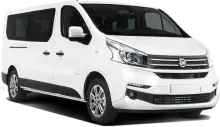


Choose the right car for your trip in Apia, Samoa and book in minutes. Compare trusted rental options, find great daily rates, and secure convenient airport pick-up for your travel dates.
Welcome to Samoa! Renting a car is a great way to explore this beautiful island, but knowing about pickup, paperwork, costs, and local traffic rules can help make your trip smoother. In this guide, you’ll find all the important information you need upon arrival at Fagali I Airport (FGI).
Several car rental companies are represented at Fagali I Airport. Pickup points are usually located near the airport building or in the parking lot. It’s advisable to find out the exact location during booking. The airport generally offers both international and local rental providers.
Samoa is known for its diverse landscapes, so the selection is wide. Here are some frequently rented car types:
| Car Class | Daily Price (EUR, estimate) |
| Economy | 30 – 50 |
| Compact | 40 – 60 |
| Mid-size | 50 – 80 |
| Small SUV | 70 – 100 |
| Premium | 120 – 200+ |
Prices may vary depending on seasonal changes and availability.
Most car rental companies require the following documents: a valid driver's license, identification (passport or ID card), and a credit card. The minimum age is usually 21 or 25, but this may vary depending on the company. Younger drivers often have to pay a surcharge. Payment is usually made by credit card upon booking and pickup, and the security deposit is also deducted from the credit card.
It’s important to clarify the insurance terms. Most car rental companies offer basic insurance (CDW – Collision Damage Waiver), which covers collision damage. However, it’s advisable to consider additional insurance, such as theft insurance or an excess reduction option. Ask the rental company exactly what damages are covered and in what cases you need to pay an excess.
In Samoa, they drive on the left side of the road. Speed limits are generally low, 40–50 km/h within towns, and 60–70 km/h on main roads. Parking can sometimes be difficult in cities, but there are usually paid parking spaces. Samoa does not have toll highways. It’s advisable to follow local traffic rules and drive carefully, especially on narrow streets and rural roads.
Generally no, if you have a valid driver's license, but it’s advisable to check the rental company’s terms.
You can usually pay with a credit card or EUR.
The deposit is an amount that is reserved from your credit card to cover potential damages.
CDW is insurance that covers collision damage, but it usually doesn’t cover all damages.
Yes, most insurance policies have an excess that you will need to pay if you cause damage.
Parking in the city center can sometimes be difficult, but there are usually paid parking spaces.
In Samoa, they drive on the left side of the road, and speed limits are generally low.
Samoa does not have toll highways.
Immediately notify the police and the rental company, and fill out an accident report.
It’s advisable to use a mobile app or rent a GPS from the rental company.
This depends on the rental company and usually involves a surcharge.