Small cars
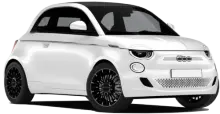
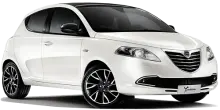
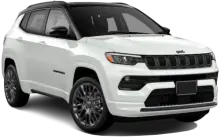
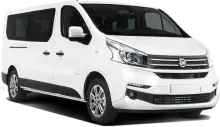
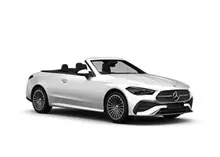
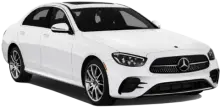
Choose the right car for your trip in Beirut, Lebanon and book in minutes. Compare trusted rental options, find great daily rates, and secure convenient airport pick-up for your travel dates.
Welcome to Beirut! Renting a car is a great way to explore Lebanon, but it’s important to be aware of the pickup process, paperwork, costs, and local traffic rules. This guide will help you navigate the options available at Beirut-Rafic Hariri International Airport (BEY) so you can start your journey smoothly.
Several international and local car rental companies can be found at the airport. Pickup points are usually located within the airport area, near baggage claim, or in separate buildings. It’s advisable to check the specific location on your booking confirmation. Commonly available car rental companies at the airport include Avis, Budget, Europcar, and Hertz, but other local providers may also operate.
In Beirut and Lebanon, you can choose from a variety of car types depending on your needs. Here are some common choices:
| Car Class | Daily Price (EUR, approximately) |
| Economy | 25 - 40 |
| Compact | 30 - 50 |
| Mid-size | 40 - 60 |
| SUV | 60 - 100 |
| Luxury | 100+ |
Prices may vary depending on seasonal changes and availability.
To rent a car, you generally need a valid driver's license (an international driving permit is recommended), identification (passport or ID card), and a credit card to pay for the security deposit. Most rental companies require a minimum age of 21, but higher age restrictions may apply for certain car types. The deposit amount varies depending on the vehicle type and will be deducted from your credit card. Accepted payment methods are usually credit cards, but some locations may also accept cash.
It’s important to clarify the insurance terms. Most car rental companies offer basic insurance, but it’s worth considering additional coverage. CDW (Collision Damage Waiver) covers collision damage, and Theft Protection covers damage from theft or burglary. Excess Insurance reduces the amount of the deductible. Ask the rental company what damages are not covered by the insurance and in what cases you will need to pay a deductible.
Traffic in Lebanon can be dense and chaotic, especially in Beirut. Speed limits are generally 50 km/h in cities and 80-100 km/h on highways. Local drivers often disregard traffic rules, so extra caution is needed. Parking in the city center can be difficult and often requires payment. Tolls are generally not charged on highways.
Recommended, but not always mandatory. It’s advisable to check the requirements with the rental company.
Most major credit cards are accepted, such as Visa, Mastercard, and American Express.
The deposit amount depends on the car type, usually ranging between 300-1000 EUR.
CDW covers collision damage, but generally does not cover tires, the undercarriage, or glass damage.
Parking in the city center is difficult and often requires payment. Look for parking garages or paid parking spaces.
There are generally no tolls on highways.
The speed limit is generally 50 km/h in cities and 80-100 km/h on highways.
In case of an accident, notify the police and the rental company.
The rental company usually provides roadside assistance. You can find the phone number in the contract.
This depends on the rental company and the terms of the contract. A one-way fee usually applies for one-way rentals.
Valid driver's license, identification (passport), credit card.