Small cars
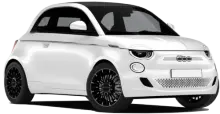
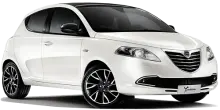
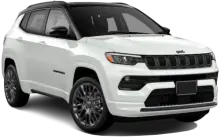
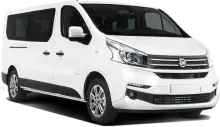
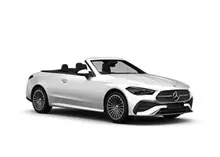
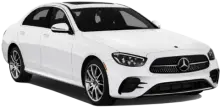
Choose the right car for your trip in Billund, Denmark and book in minutes. Compare trusted rental options, find great daily rates, and secure convenient airport pick-up for your travel dates.
Welcome to Denmark! Renting a car is a great way to explore Billund and its surroundings, but knowing about pickup, paperwork, costs, and local traffic rules can help make your trip smoother. In this article, you will find all the important information you need for car rental at Billund Airport (BLL).
Most car rental offices are located inside or near the airport terminals. Often, a short transfer bus is required to reach the actual pickup location. Several major international car rental companies are usually present at the airport, such as Avis, Budget, Europcar, Hertz, and Sixt. It is advisable to find out in advance exactly where the offices are located and how much time to allow for the transfer.
The choice depends on your personal needs and planned travel. The following types are most popular around Billund:
| Car Class | Daily Price (EUR, estimate) |
| Economy | 25 - 40 |
| Compact | 35 - 50 |
| Intermediate | 45 - 65 |
| SUV | 60 - 90 |
| Luxury | 100+ |
Prices vary seasonally and depending on availability.
Most car rental companies require you to be at least 21 years old to drive, but certain car classes may have a higher age limit. An international driving permit is usually not required if your European driving license is valid. You will need your driving license, identification (passport or ID card), and a credit card at the time of booking and pickup. A credit card is required to deposit the security deposit, the amount of which varies depending on the car. The deposit is usually refunded at the end of the rental, provided the car is returned undamaged.
Mandatory liability insurance is usually included in the rental price. However, it is advisable to consider additional insurance. CDW (Collision Damage Waiver) reduces your excess in the event of an accident. Theft insurance covers the theft of the car. The “excess” is the maximum amount you have to pay in the event of an accident or theft. It is worth asking the rental company about the insurance options available and which one suits your needs.
In Denmark, you must drive on the right. Speed limits are generally as follows: 130 km/h on motorways, 50 km/h in built-up areas, and 80 km/h in the countryside. Most motorways are toll roads, but payment can be made through an electronic system. Parking in cities is often paid and parking meters must be used. It is important to comply with local traffic rules and pay attention to pedestrians and cyclists.
Not necessarily. If your European driving license is valid, it is usually sufficient.
Most major credit cards are accepted, but it is advisable to find out in advance.
The amount of the security deposit depends on the car, but is usually several hundred euros.
Stop immediately and notify the police and the rental company.
Most motorways are toll roads, but payment can be made through an electronic system.
The offices are usually located inside or near the terminals.
CDW and theft insurance can reduce the risk.
You will need your driving license, identification and a credit card.
The 'excess' is the maximum amount you have to pay in the event of an accident or theft.
This depends on the rental company and the terms of the booking. It is advisable to agree in advance.
Most rental companies require you to be at least 21 years old.