Small cars


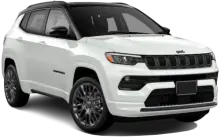



Choose the right car for your trip in Charlotte, United States and book in minutes. Compare trusted rental options, find great daily rates, and secure convenient airport pick-up for your travel dates.
Welcome to Charlotte! Car rental is a great way to explore the city and its surroundings, but knowing about pickup, paperwork, costs, and local traffic rules can help make your trip smoother. In this guide, you will find all the important information you need for car rental at Charlotte Douglas International Airport (CLT).
Car rental company offices are usually located on airport grounds or near the airport in separate facilities. In most cases, free shuttle buses operate between the terminals and the car rental companies. It is advisable to inquire about the exact location during booking.
Numerous international and local car rental companies operate at Charlotte Douglas International Airport. The most common include Avis, Budget, Enterprise, Hertz, National and Thrifty. The selection is wide, so you are sure to find a car that meets your needs.
The choice depends on the planned trip and the size of the group. Here are some popular categories:
| Category | Daily price (EUR, approximately) |
| Economy | 30 - 50 |
| Compact | 40 - 60 |
| Mid-size | 50 - 80 |
| SUV | 70 - 120 |
| Luxury | 100+ |
Prices vary seasonally and depending on availability.
Generally, you will need a valid driver's license, identification (passport or driver's license), and a credit card for the security deposit to rent a car. In most places in the USA, the minimum age is 21, but it may be higher with certain companies, and there may be a surcharge for younger drivers. The deposit amount varies depending on the vehicle category and will be reserved on the credit card. The deposit will be refunded upon return of the car, provided there is no damage or other fees.
Car rental companies generally offer various insurance options. CDW (Collision Damage Waiver) covers collision damage, Theft Protection covers theft, while Supplemental Liability Insurance increases liability insurance. It is worth checking whether your own insurance policy covers these risks before taking out additional insurance on the spot. Ask the clerk about the insurance terms and the amount of the deductible.
In the United States, traffic flows on the right. Speed limits vary by state and road section, but are generally 40-50 km/h in built-up areas and 80-110 km/h on main roads. In some states, such as Florida, toll sections are common on highways. Parking in cities is often chargeable and parking hours are in effect. It is important to pay attention to traffic signs and local regulations.
If your driver's license from your country is not in Latin characters, it is advisable to obtain an international driving permit as well.
Most car rental companies accept credit cards, but some accept cash for the security deposit.
Immediately stop the car, notify the police and the car rental company, and complete the accident report.
Return the car at the specified location and time, with the keys and all accessories.
Valid driver's license, identification and credit card.
Generally yes, most car rental companies only allow drivers listed in the contract to drive.
The deposit is to cover any potential damage or fees.
Most car rental companies offer GPS for rent, but you can also use your own smartphone for navigation.
A surcharge is usually charged for late returns.
Most car rental companies offer child seats for rent, but it is advisable to book in advance.
Fuel policies are determined during booking (e.g. pick up with a full tank and return with a full tank).
The additional driver must be added to the contract, which usually incurs an additional cost.