Small cars

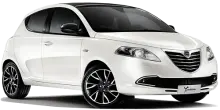
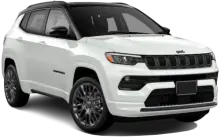
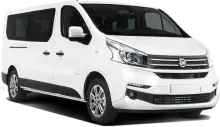
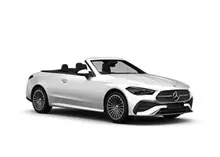
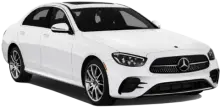
Choose the right car for your trip in Flint, United States and book in minutes. Compare trusted rental options, find great daily rates, and secure convenient airport pick-up for your travel dates.
Welcome to Flint! Car rental is a great way to explore the state of Michigan, but knowing about pickup, paperwork, costs, and local traffic rules can help make your trip smoother. In this article, you’ll find all the important information you need for car rental at Bishop International Airport (FNT).
Several car rental companies are represented at Bishop International Airport, usually within or near the terminal. Most major international and local providers can be found, such as Alamo, Avis, Budget, Enterprise, Hertz, and National. Pickup points are usually near the baggage claim area or in a separate building, with free shuttle services available.
A wide range is available, from budget-friendly options to luxury cars. Here are some common categories:
| Category | Daily Price (EUR, approximately) |
| Economy | 25 - 40 |
| Compact | 30 - 50 |
| Mid-size | 40 - 60 |
| SUV | 60 - 100 |
| Luxury | 100+ |
Prices vary seasonally and depending on availability.
To rent a car, you generally need a valid driver's license, identification (passport or driver's license), and a credit card to cover the reservation and deposit. In the USA, the minimum age at most rental companies is 21, but some companies do not allow drivers under 25, or charge an extra fee. The deposit amount varies depending on the vehicle category, but is usually several hundred euros. Most places accept credit cards, but cash is not accepted everywhere.
Rental companies generally offer various insurance packages. CDW (Collision Damage Waiver) covers collision damage, Theft Protection covers theft, while Supplemental Liability Insurance (SLI) covers damage to third parties. It is worth finding out about your own insurance coverage before purchasing extra insurance. Ask the agent about the excess amount and in what cases the insurance is not valid.
In the United States, traffic flows on the right. Speed limits vary by state and road section, but are generally 100-130 km/h on highways and 40-60 km/h in cities. Some areas have toll roads, where you can pay with cash or electronically. Parking in cities is often paid, and you need to pay attention to signs to avoid parking in a prohibited area.
Generally within or near the terminal, accessible by free shuttle services.
A valid driver's license, identification, and a credit card.
CDW, Theft Protection, and Supplemental Liability Insurance may be useful, but review your own insurance coverage.
Most places 21, but some companies have an age limit of 25 or charge an extra fee.
Generally credit card, but cash is not accepted everywhere.
Typically 100-130 km/h on highways and 40-60 km/h in cities.
Yes, some areas have toll roads, where you can pay with cash or electronically.
The deposit is deducted from your credit card and refunded when the vehicle is returned undamaged.
Thoroughly inspect the vehicle and note any damage in the rental agreement.
The amount you would pay in the event of damage before the insurance becomes valid.
Parking is often paid, pay attention to signs to avoid parking illegally.