Small cars

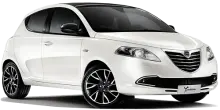
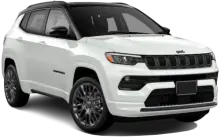
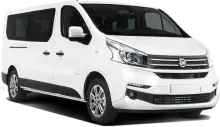
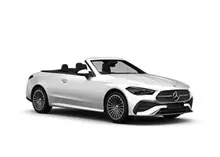

Choose the right car for your trip in Iturup, Russia and book in minutes. Compare trusted rental options, find great daily rates, and secure convenient airport pick-up for your travel dates.
Welcome to Iturup! Renting a car is a great way to explore this beautiful island, but knowing about pickup, paperwork, costs, and local traffic rules can help make your trip smoother. In this guide, you’ll find all the important information you need for car rental at Iturup Airport (ITU).
Car rental company offices are usually located inside or near the airport terminal. They are often grouped in a central location, and signs will help you find them. The pickup location depends on the rental company you choose, but it is generally within the airport area, making it easy to pick up your vehicle directly upon arrival.
Numerous international and local car rental companies operate at Iturup Airport. The most common include rental companies that offer a wide range of options from basic economy cars to luxury models. The selection includes smaller city cars, compact cars, family-sized sedans, SUVs, and vans.
Iturup is known for its diverse landscapes, so choosing the right car type depends on your travel plans. Here are some popular choices:
| Car Class | Daily Price (EUR) |
| Economy | 30 – 50 |
| Compact | 40 – 60 |
| Mid-size | 50 – 80 |
| SUV | 80 – 150 |
| Luxury | 150+ |
Prices vary seasonally and depending on availability.
To rent a car, you generally need a valid driver's license, identification (passport or ID card), and a credit card to deposit the security deposit. Most rental companies require a minimum age of 21, but higher age limits may apply for certain car classes. The deposit amount depends on the car you choose and the rental company, but it is usually several hundred euros.
Rental companies generally offer various insurance options. CDW (Collision Damage Waiver) covers collision damage, and Theft Protection covers damage from theft or vandalism. It is important to understand that these insurances usually include an excess (deductible) that you will have to pay in the event of damage. It is worth asking the rental company if there is an option to reduce or waive the excess for an additional fee.
Traffic rules in Russia may differ from the rules you are used to. Speed limits are generally lower than in Western Europe. In cities, they are often 50-60 km/h, and on main roads 90-110 km/h. Parking in cities can be difficult and often requires payment. Most highway sections are toll-free, but it is worth informing yourself about local regulations.
Generally no, if your country’s driver’s license is in Latin characters. If not, an official translation may be required.
Most rental companies accept credit cards. Some also accept debit cards, but this is less common.
Stop immediately and notify the police. Take pictures of the scene and contact the rental company.
The car is usually returned at the airport office. Make sure the tank is full and you have removed all your personal belongings from the car.
Most rental companies offer unlimited mileage, but it is worth checking the contract.
The deposit covers any damage or charges that may arise during the rental period.
Cancellation terms depend on the rental company. You can usually cancel online or by phone.
Yes, but you usually have to pay an extra fee for the additional driver.
Parking in cities is often paid and can be difficult. It is worth informing yourself about local parking regulations.
Most cars use gasoline. Check the contract to see what type of fuel you need to use.
Notify the rental company as soon as possible. Your reservation may be automatically canceled if you are late.