Small cars
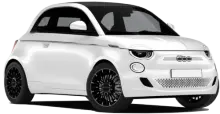
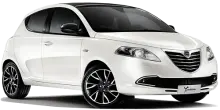
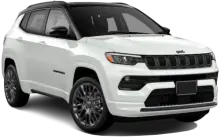
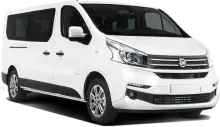
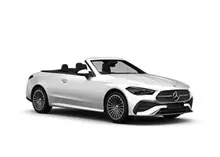
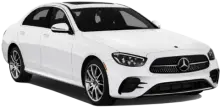
Choose the right car for your trip in Izmir, Turkey and book in minutes. Compare trusted rental options, find great daily rates, and secure convenient airport pick-up for your travel dates.
Welcome to Izmir! Renting a car is a great way to explore the region at your own pace. This guide will help you navigate Izmir Adnan Menderes Airport (ADB) from pickup to local traffic rules, including costs and required documents.
Car rental company offices are usually located within the airport area, near the baggage claim hall, or in the parking lots. Most rental companies provide a free transfer between their office and the terminal, but it’s advisable to inquire in advance. Several major international car rental companies are usually present at the airport, such as Avis, Budget, Europcar, Hertz and Sixt.
There are many car types to choose from for trips around Izmir. The most popular categories are:
| Category | Daily price (EUR, estimate) |
| Economy | 20 - 30 |
| Compact | 25 - 40 |
| Mid-size | 35 - 50 |
| SUV | 50 - 80 |
| Luxury | 80+ |
Prices vary seasonally and depending on availability.
Economy and compact cars are ideal for city driving, while an SUV may be more comfortable if you plan to travel in the mountains or rural areas. Luxury cars naturally prioritize comfort and style.
To rent a car, you generally need the following documents: a valid driver's license, identification (passport or ID card), and a credit card for the security deposit. Most rental companies require a minimum age of 21, but higher age limits may apply to certain car types. The deposit amount varies depending on the vehicle category and is usually reserved on your credit card. It is important to thoroughly inspect the vehicle upon pickup and record any damage in the rental agreement.
Rental companies generally offer various insurance packages. CDW (Collision Damage Waiver) covers collision damage, while Theft Protection covers damage from theft or vandalism. Excess (deductible) is the amount you have to pay before the insurance becomes valid. It is advisable to ask the rental company about the available insurance options and which one suits your needs.
Traffic in Turkey can sometimes be chaotic, so extra caution is required. Speed limits are generally as follows: 50 km/h in the city, 90 km/h on country roads, and 120 km/h on highways. Tolls are often collected on highways, which can be paid in cash or by credit card. Parking can be difficult in cities, so it is advisable to look for parking garages or paid parking spaces.
It depends on your driver’s license. Check if your home country has a reciprocal agreement with Turkey. If not, an international permit is recommended.
Major credit cards are generally required for both payment and the security deposit. Debit cards are often not accepted for the deposit.
CDW covers damage to the rental car, but usually has an excess amount you’re responsible for.
The deposit depends on the vehicle category, usually ranging between 300-1000 EUR.
Yes, but you’ll usually need to pay an additional daily fee and the extra driver must meet the rental requirements.
It is advisable to use a smartphone navigation app.
Yes, especially on motorways. Many tolls are collected electronically, or you can pay at toll booths.
Immediately notify the police and the rental company.
Rental cars should have a spare tire and tools. Contact the rental company’s roadside assistance number for help.
Most rental companies offer unlimited mileage.
Yes, especially if you plan to explore outside of Izmir. A GPS or smartphone with maps can be very helpful.
The car is usually returned at the airport office.
You’ll likely be charged an extra day’s rental fee, or a pro-rated amount for the delay.
CDW and Theft Protection are basic insurances, but reducing the deductible may also be worthwhile.
Carefully inspect the car for any existing damage and document it on the rental agreement before leaving the lot.
It is stated in the rental agreement, usually with the same fuel as it was picked up with.
Generally, cross-border travel is restricted. Check with the rental company beforehand if you plan to leave Turkey.
Valid driver's license, identification and credit card.
The excess is the amount you pay towards any damage before your insurance covers the rest.
The speed limit on highways is generally 120 km/h.
They are usually located in the arrivals hall of the terminal, clearly signposted.