Small cars
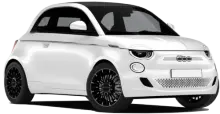
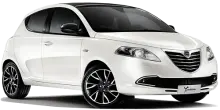
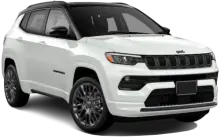
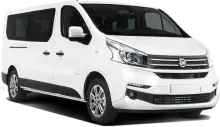
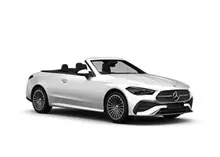
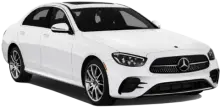
Choose the right car for your trip in Marrakech, Morocco and book in minutes. Compare trusted rental options, find great daily rates, and secure convenient airport pick-up for your travel dates.
Welcome to Marrakech! Renting a car at Menara Airport (RAK) is a convenient way to explore the city and its surroundings. This guide provides all the important information you need, from pickup to local traffic rules, to ensure a smooth start to your journey.
Numerous international and local car rental companies are available at Menara Airport. Pickup points are usually located within the airport building, near the baggage claim area, or in separate offices belonging to the airport. It is advisable to inquire about the specific location during the booking process.
Several companies offer car rentals at the airport, including: Avis, Budget, Europcar, Hertz, Sixt and other local providers. The selection is wide, so you are sure to find a vehicle that meets your needs.
A wide range of cars are available for rent at Menara Airport, from simple, economical models to luxury vehicles. Here is a table of typical car classes and their corresponding daily prices (EUR):
| Car Class | Daily Price (EUR, approx.) |
|---|---|
| Economy | 20-30 |
| Compact | 25-40 |
| Mid-size | 35-50 |
| SUV | 50-80 |
| Luxury | 80+ |
Prices may vary seasonally and depending on availability.
To rent a car, you generally need the following documents: a valid driver's license, identification (passport or ID card) and a credit card. Most car rental companies require a minimum age of 21 to rent, but higher age limits may apply to certain car classes. A deposit is usually required at the time of booking and pickup, the amount of which depends on the type of vehicle and the insurance package.
It is important to clarify the insurance terms. Most car rental companies offer basic insurance (CDW – Collision Damage Waiver), which covers the cost of damage to the vehicle. It is advisable to consider additional insurance, such as theft protection and extended liability insurance. Ask the rental company about the amount of the excess and in what cases you will need to pay the excess.
Traffic in Morocco may differ slightly from European rules. Speed limits are generally lower, 40-60 km/h in cities and 100-120 km/h on highways. Toll sections are often found on highways, so it is advisable to carry cash. Parking in cities can be difficult and often requires payment. Be careful in traffic and pay attention to pedestrians and cyclists.
In most cases, a valid Hungarian driver's license is sufficient, but it is advisable to check the terms of the rental company.
Credit cards are generally accepted, but some rental companies may also accept cash.
Immediately notify the police and the rental company. Take pictures of the scene and the damage.
The deposit amount depends on the type of vehicle and the insurance package. The deposit is usually refunded when the car is returned, if there is no damage.
Most rental companies offer unlimited mileage, but it is advisable to check the contract.
The highways are generally in good condition, but you may encounter toll sections.
Parking in cities can be difficult and often requires payment. It is advisable to look for designated parking spaces.
The speed limit is generally 40-60 km/h in cities and 100-120 km/h on highways.
CDW (Collision Damage Waiver) covers the cost of damage to the vehicle in the event of an accident.
Additional insurance (e.g. theft insurance, extended liability insurance) can provide additional protection.
Most car rental companies have an online booking system.