Small cars



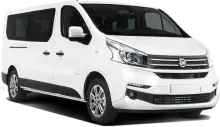
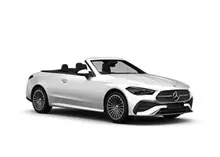

Choose the right car for your trip in Mumbai, India and book in minutes. Compare trusted rental options, find great daily rates, and secure convenient airport pick-up for your travel dates.
Welcome to Mumbai! Renting a car is a great way to explore the city and its surroundings, but knowing about pickup, paperwork, costs, and local traffic rules can help make your trip smoother. In this guide, you'll find all the important information you need for car rental at Chhatrapati Shivaji International Airport.
Several international and local car rental companies operate at the airport. Pickup points are usually located on the airport grounds or nearby, accessible by free shuttle. It’s worth finding out the exact location during booking. Car rental companies available at the airport include Hertz, Avis, Europcar, and Sixt, but other local providers are also present.
When exploring Mumbai and its surroundings, you can choose from a variety of car types. The most common categories are:
| Category | Daily Price (EUR, estimate) |
| Economy | 20-30 |
| Compact | 25-40 |
| Mid-size | 35-50 |
| SUV | 50-80 |
| Luxury | 80+ |
Prices may vary depending on seasonal changes and availability.
To rent a car, you generally need the following documents: a valid driver's license (an international driver's license is recommended), identification (passport), and a credit card to deposit the security deposit. Most car rental companies require a minimum age of 21, but higher age limits may apply for certain categories. The security deposit amount varies depending on the vehicle category and will be deducted from your credit card. Accepted payment methods are usually credit cards, but some locations may also accept cash.
It is important to clarify the insurance terms. CDW (Collision Damage Waiver) covers collision damage, and Theft Protection covers damage from theft or burglary. Excess (deductible) is the amount you have to pay in the event of damage. It is worth asking the rental company what insurance packages they offer and which one suits your needs. Additional insurance can reduce the deductible or extend coverage.
When driving in India, it is important to consider local traffic rules and customs. Traffic can be heavy, especially in cities. Speed limits are generally low, and locals often ignore them. Toll roads are common, so it is advisable to carry cash. Parking can be difficult in the city center and is often paid. Always pay attention to pedestrians and cyclists, and be careful of unexpected situations.
Recommended, but not always mandatory. It is worth checking with the rental company.
Most major credit cards are accepted, such as Visa, Mastercard, and American Express.
The security deposit amount depends on the vehicle category, usually ranging from 300-1000 EUR.
CDW covers collision damage, Theft Protection covers theft. The deductible (Excess) is the amount you pay in the event of damage.
Usually on the airport grounds or nearby, accessible by free shuttle.
An economy or compact car is ideal for city traffic, and an SUV is recommended for longer trips.
The cost of toll roads depends on the distance, usually ranging from a few euros to a few tens of euros.
Parking in the city center can be difficult and is often paid. It is worth looking for parking garages.
Traffic can be heavy, especially during peak hours. Be careful and patient.
Speed limits are generally low, 30-50 km/h in cities, 80-100 km/h on highways.
Stop immediately, notify the police and the rental company, and fill out the accident report.