Small cars

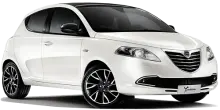
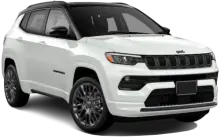
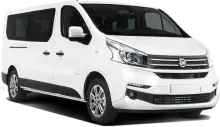
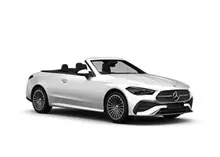

Choose the right car for your trip in Nha Trang, Vietnam and book in minutes. Compare trusted rental options, find great daily rates, and secure convenient airport pick-up for your travel dates.
Welcome to Vietnam! Renting a car at Cam Ranh International Airport (CXR) is a great way to explore Nha Trang and the surrounding area. In this guide, you will find all the important information you need regarding pickup, costs, and local traffic.
Most car rental offices are located on or near the airport grounds. Pickup points are usually near the baggage claim area or in the airport parking lots. Several international and local car rental companies operate on-site, such as Avis, Budget, Europcar, Hertz, and Vietnamese companies. It is advisable to check the exact location on your booking confirmation.
A wide selection is available, from economical small cars to luxury vehicles. Here are some popular choices:
| Economical (e.g. Kia Picanto) | 20-30 EUR/day |
| Compact (e.g. Toyota Vios) | 25-35 EUR/day |
| Mid-size (e.g. Toyota Corolla) | 35-45 EUR/day |
| SUV (e.g. Hyundai Tucson) | 50-70 EUR/day |
| Van (e.g. Toyota Innova) | 60-80 EUR/day |
| Luxury (e.g. Mercedes-Benz C-Class) | 80-120 EUR/day |
Prices may vary depending on seasonal changes and availability.
Most car rental companies require the following documents: a valid driver's license (an international driver's license is recommended), identification (passport), and a credit card to pay the security deposit. The minimum age is usually 21, but may be higher for certain cars. The deposit amount varies depending on the car type, but generally ranges from 300-1000 EUR. Most places accept credit card payments, but it is advisable to inquire about possible payment methods in advance.
It is important to understand the insurance options. CDW (Collision Damage Waiver) covers collision damage, and Theft Protection covers damage from theft or burglary. Excess (deductible) is the amount you have to pay in the event of damage. It is worth asking the rental company what insurance packages they offer and which one suits your needs. Additional insurance can reduce the deductible, but will increase costs.
Traffic in Vietnam can be chaotic. There is a large number of motorcycles and scooters, so extra attention is needed. Speed limits are generally low, 40-60 km/h in cities, and 80-120 km/h on highways. Toll roads are common, so it is advisable to carry cash. Parking in cities can be difficult, so it is worth finding out about the hotel's parking options.
Recommended, but not always mandatory. It is advisable to check the rental company's policies.
Generally, only a credit card is accepted to pay the security deposit.
Immediately notify the police and the rental company. Take pictures of the scene.
At most gas stations, the staff will fill up for you. You can pay with cash or credit card.
Traffic can be heavy and chaotic, especially during peak hours. Drive focused.
Yes, but an extra fee usually has to be paid for it.
Most car rental companies offer GPS for rent, or you can use your mobile phone for navigation.
Parking can be difficult, so it is worth finding out about the hotel's parking options.
Local traffic regulations may differ from the rules at home. Be careful and attentive.
CDW covers collision damage, but generally does not cover tires, the chassis, or glass damage.
The cancellation terms can be found on your booking confirmation. You can usually cancel online or by phone.