Small cars

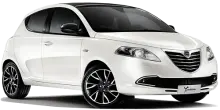
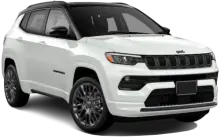
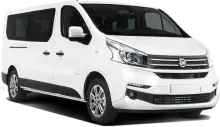
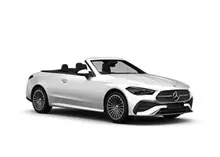

Choose the right car for your trip in Pond Inlet, Canada and book in minutes. Compare trusted rental options, find great daily rates, and secure convenient airport pick-up for your travel dates.
Welcome to Pond Inlet! Car rental is a great way to explore the area, but knowing the pickup process, paperwork, costs, and local traffic rules can help make your trip smoother. This guide will help you navigate the car rental process at Pond Inlet Airport (YIO).
Most car rental offices are located within or near the airport terminal. They are usually in the baggage claim area, or in a separate building accessible by a short transfer. It is advisable to check the airport's website or the information desk upon arrival to find out exactly where the offices are located.
Numerous international and local car rental companies operate at Pond Inlet Airport. The offer may vary, but you can usually find the following: Avis, Budget, Enterprise, Hertz and National. It is worth comparing prices and conditions in advance.
The choice depends on your planned trip. Pond Inlet and its surroundings offer varied terrain, so you can choose from the following types:
| Category | Daily price (EUR, estimate) |
| Economy | 40-60 |
| Compact | 50-70 |
| Mid-size | 60-80 |
| Small SUV | 80-120 |
| Medium SUV | 120-180 |
| Premium | 150+ |
Prices vary seasonally and depending on availability.
In Canada, you are generally required to be over 21 to rent a car, but some companies may apply a higher age limit and charge an additional fee for younger drivers. You will need a valid driver's license, identification (passport or driver's license) and a credit card to deposit the security deposit. The amount of the deposit varies depending on the type of vehicle, but is usually several hundred euros. Most companies accept credit cards, but not all accept cash or debit cards.
The most important insurance options offered during rental are: CDW (Collision Damage Waiver) – reduces your liability in the event of an accident; Theft Protection – provides protection in the event of theft or damage; and Excess Reduction – reduces your excess in the event of damage. It is worth considering whether you need these insurances, or whether your own insurance already covers these risks.
In Canada, speed limits are generally given in kilometers. In cities, the speed limit is 50 km/h, outside built-up areas 80-100 km/h, and on highways 110-130 km/h. Most roads are free, but some bridges and highways have toll booths. Parking in cities is usually paid, but there are also many free parking options. It is important to wear a seat belt, and it is forbidden to use a mobile phone while driving.
If your driver's license is not written in Latin characters, an international driving permit is generally required.
The deposit serves to cover any damage or theft of the vehicle.
Most companies accept credit cards, but not all accept cash or debit cards.
Stop immediately, notify the police, and contact the car rental company.
The car is usually returned at the airport office or at a pre-arranged location.
Most rental companies offer unlimited mileage, but it is worth checking the terms and conditions.
It is advisable to notify the car rental company as soon as possible, as your reservation may be canceled due to the delay.
You usually pick up the car with a full tank and return it with a full tank. If you do not, the rental company will charge a fee.
Valid driver's license, identification (passport or driver's license) and credit card.
CDW, Theft Protection and Excess Reduction are the most common, but their necessity depends on your own insurance coverage.
The speed limit in cities is 50 km/h, outside built-up areas 80-100 km/h, and on highways 110-130 km/h.