Small cars

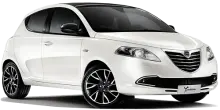
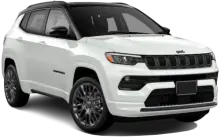



Choose the right car for your trip in Ruby, United States and book in minutes. Compare trusted rental options, find great daily rates, and secure convenient airport pick-up for your travel dates.
Welcome to Ruby! Car rental is a great way to explore the area, but knowing about pickup, paperwork, costs, and local traffic rules can help make your trip smoother. In this article, you will find all the important information you need for car rental at Ruby Airport (RBY).
Most car rental offices are located on or near the airport grounds. They are often near the baggage claim area, or a separate transfer bus takes passengers to the car rental center. Several major car rental companies are usually present at the airport, such as Hertz, Avis, Budget, Enterprise and National. It is worth checking the exact location on your booking confirmation.
The choice depends on your needs. Here are some popular categories:
| Category | Daily price (EUR, estimate) |
| Economy | 25 - 40 |
| Compact | 30 - 50 |
| Mid-size | 40 - 60 |
| SUV | 60 - 100 |
| Premium/Luxury | 100+ |
Prices vary seasonally and depending on availability.
Economy and compact cars are ideal for city driving, while an SUV may be more comfortable if you are carrying more people or luggage, or if you want to drive off-road. Premium cars offer a more luxurious travel experience.
You will need a valid driver's license, identification (passport or driver's license) and a credit card. In most places in the USA, the minimum age for car rental is 21, but some car rental companies may set a higher age limit or charge an extra fee for younger drivers. The deposit will be deducted from your credit card and returned at the end of the rental, provided the car is returned undamaged. Most car rental companies accept credit cards, but not all accept cash or debit cards.
It is important to consider the insurance options. CDW (Collision Damage Waiver) covers damage to the car, while Theft Protection covers losses from theft or vandalism. Excess Reduction (or Super CDW) reduces the amount of the deductible. It is worth asking the rental company if your own insurance coverage extends to the USA, so you can avoid unnecessary costs.
In the USA, traffic flows on the right. Speed limits vary by state and road section, but are generally 65-80 miles/hour (105-130 km/hour) on highways and 25-45 miles/hour (40-72 km/hour) in cities. Many highways are toll roads, so it is worth having cash or an electronic payment system (e.g. E-ZPass). Parking in cities is often expensive, and parking meters must be paid. Always pay attention to traffic signs and local rules.
Not necessarily. In most cases, a domestic driver's license is sufficient, but it is worth checking the rental company's terms and conditions.
The amount of the deposit depends on the car and the rental company, but is usually several times the daily rental fee.
You can purchase Excess Reduction insurance, which reduces the amount of the deductible.
Generally credit card, but cash is accepted in some places.
Immediately call the police and notify the rental company. Take pictures of the scene and the damage.
In many places, you can pay with cash or an electronic payment system (e.g. E-ZPass).
Cities often have paid parking spaces, but there are also free parking options.
Speed limits vary by state and road section, but are generally 65-80 miles/hour on highways.
Some rental companies charge an extra fee for using GPS, but in many cases you can use your own smartphone for navigation.
A late fee will be charged, which is usually a fraction of the daily rental fee.
Additional drivers must be reported to the rental company, and an extra fee is usually charged.