Small cars

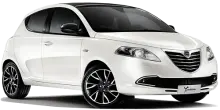
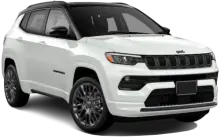
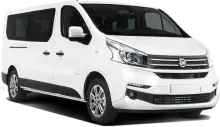
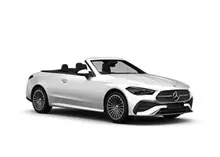
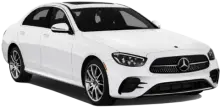
Choose the right car for your trip in Shalu, Taiwan and book in minutes. Compare trusted rental options, find great daily rates, and secure convenient airport pick-up for your travel dates.
Welcome to Taichung! Renting a car is a great way to explore the area, but knowing about pickup, paperwork, costs, and local traffic rules can help make your trip smoother. In this guide, you will find all the important information you need upon arrival at Taichung International Airport (RMQ).
Car rental company offices are usually located on the airport grounds, near the baggage claim area, or in the parking lots. Most rental companies provide free transfers between their office and the terminal, but it is advisable to inquire in advance. Both international and local rental companies are usually present at the airport.
The selection is wide, from small cars to luxury cars. The most popular categories are:
| Category | Daily price (EUR, estimate) |
| Economy | 20 - 30 |
| Compact | 25 - 40 |
| Mid-size | 35 - 50 |
| SUV | 50 - 80 |
| Luxury | 80+ |
Prices may vary seasonally and depending on availability.
The choice depends on the nature of your planned trip. If you are mainly going to drive in the city, a small car may be sufficient. However, if you want to drive in the mountains or countryside, an SUV or off-road vehicle may be a better choice.
Most car rental companies require you to be at least 21 years old to drive, but higher age limits may apply to certain categories. You will need a valid driver's license, identification (passport) and a credit card. The amount of the deposit varies depending on the vehicle category and will be deducted from your credit card. It is important that your credit card has sufficient funds.
When renting, you usually have several insurance options to choose from. Mandatory liability insurance is usually included in the price, but it is worth considering additional insurance. CDW (Collision Damage Waiver) covers collision damage, Theft Protection covers damage from theft or burglary. Excess Reduction reduces the amount of the deductible. Ask the rental company exactly what damages the insurance covers and what the deductible amount is.
In Taiwan, traffic flows on the left side of the road. Speed limits are generally 50 km/h in cities, 80 km/h on main roads and 100-110 km/h on highways. Toll sections are common on highways, so it is advisable to have cash or an electronic payment system (ETC). Parking can be difficult in cities and is often paid. Following local rules is essential for safe driving.
It is advisable to bring an international driver's license, but in many cases a valid domestic driver's license is sufficient.
Most rental companies accept credit cards, but some also accept cash.
Stop immediately, notify the police and the rental company, and fill out the accident report.
The deposit is deducted from your credit card and refunded when the vehicle is returned undamaged.
Valid driver's license, identification (passport) and credit card.
Most rental companies offer unlimited mileage, but it is advisable to check the contract.
The car must be returned at the location and time specified by the rental company.
Late returns may incur additional costs.
Most rental companies offer GPS for rent, but you can also use a navigation app on your smartphone.
In most cases, you should return the car with the same fuel level as when you picked it up.
You can rent child seats from the rental company if needed.