Small cars

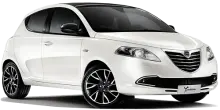

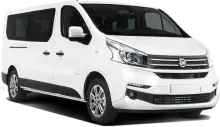


Choose the right car for your trip in Shannon, Ireland and book in minutes. Compare trusted rental options, find great daily rates, and secure convenient airport pick-up for your travel dates.
Welcome to Ireland! Renting a car is a great way to explore the area around Shannon and Ireland. In this article, you will find all the important information you need regarding pickup at the airport, costs, and local driving conditions.
Car rental counters are usually located in the arrivals hall at Shannon Airport. Most rental offices are near the airport transportation hub, making it easy to get to your car. The exact location may vary, so it is advisable to check your booking confirmation.
Numerous international and local car rental companies operate at Shannon Airport. The most common include Hertz, Avis, Budget, Enterprise, Sixt and Europcar. The selection is wide, so you are sure to find a car that meets your needs.
A wide range of cars is available for rent at Shannon Airport. Here are some popular categories:
| Category | Daily price (EUR) |
| Economy | 25 – 40 |
| Compact | 30 – 50 |
| Mid-size | 40 – 60 |
| SUV | 60 – 100+ |
| Luxury | 100+ |
Prices may vary depending on seasonal changes and availability.
Generally, the following documents are required for car rental: a valid driver's license, identification (passport or ID card) and a credit card. Regarding age, most rental companies require a minimum age of 21, but higher age limits may apply for certain categories. The security deposit amount is determined by the rental company and is usually held on the credit card. Credit cards are generally accepted as payment methods.
It is important to understand the insurance options when renting a car. CDW (Collision Damage Waiver) covers damage to the car, while Theft Protection covers damage from theft or burglary. Excess is the amount you would pay in the event of damage. It is worth asking the rental company what insurance packages they offer and which one suits your needs.
In Ireland, you must drive on the left side of the road. Speed limits are generally 50 km/h in towns, 80 km/h on rural roads, and 120 km/h on highways. The country has numerous toll roads. Parking in cities is often paid and you need to pay attention to parking regulations.
If you are arriving from the EU, your valid driver's license is sufficient. Those arriving from other countries should inquire about the need for an international driver's license.
The amount of the security deposit is determined by the rental company and is usually held on the credit card. This serves to cover any damages that may occur during the rental.
CDW and Theft Protection are basic insurances. It is worth considering reducing the Excess if you want more security.
Tolls on highways can be paid with cash or credit card. There are also electronic toll systems, but these require registration.
Yes, you have to drive on the left in Ireland. This may be strange at first, but you can quickly get used to it.
Speed limits vary depending on the locality. The speed limit is 50 km/h in towns, 80 km/h on rural roads, and 120 km/h on highways.
Parking is often paid for in cities. It is worth paying attention to parking signs and regulations.
Notify the police and the rental company at the scene of the accident. Complete the accident report and collect the necessary information.
This depends on the rental company and the booking conditions. There may be a drop-off fee if you drop off the car elsewhere.
Notify the rental company as soon as possible. Your reservation may be cancelled if you are late.
Most rental companies offer unlimited mileage, but it is worth checking the booking conditions.