Small cars



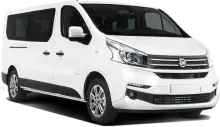


Choose the right car for your trip in Tabubil, Papua New Guinea and book in minutes. Compare trusted rental options, find great daily rates, and secure convenient airport pick-up for your travel dates.
Welcome to Tabubil! Renting a car is a great way to explore this beautiful region, but knowing about pickup, paperwork, costs, and local traffic rules can help make your trip smoother. In this guide, you’ll find all the important information you need upon arrival at Tabubil Airport (TBG).
Most car rental offices are located on or near the airport grounds. They are often close to the baggage claim area, or a separate transfer bus takes passengers to the car rental center. It’s worth asking airport staff upon arrival for the exact location of the offices.
Several international and local car rental companies may be present at Tabubil Airport. Frequent players may include larger international companies, as well as smaller, local providers. It’s worth researching the available options in advance and comparing prices.
The choice depends on your planned trip. Tabubil and its surroundings offer varied terrain, so the following types may be good choices:
| Category | Daily price (EUR, estimate) |
| Economy | 30-50 |
| Compact | 40-60 |
| Mid-size | 50-80 |
| SUV | 80-150 |
| Premium | 150+ |
Prices may vary seasonally and depending on availability.
Documents: Most places will require a valid driver's license, identification (passport), and a credit card. An international driver's license may be required in some places. Make sure your driver's license is valid in Papua New Guinea.
Age limit: Most car rental companies require a minimum age of 21, but higher age limits may apply to certain categories (e.g., SUV, premium). Those under 25 often pay an extra fee.
Deposit: The deposit amount varies depending on the vehicle category and is usually payable by credit card. The deposit will be refunded upon return of the vehicle, after deducting any damage and other costs.
Payment methods: Credit card is the most accepted payment method. Some places may accept cash, but this is less common.
CDW (Collision Damage Waiver): This insurance covers collision damage. It is important to clarify that the CDW has an excess amount that you will have to pay in the event of damage.
You can also choose additional insurance if needed, such as theft insurance or passenger insurance. It is worth finding out about the terms and the amount of the excess.
Traffic in Papua New Guinea can be somewhat chaotic. Speed limits are generally low, but they are not always observed. Parking can be difficult in cities, so it is worth finding out about local rules. The main roads are generally in good condition, but this is not always the case on side roads. Be careful and watch out for pedestrians and animals on the road.
It’s worth checking, but generally a valid driver's license is sufficient.
Credit card is the most accepted payment method.
Immediately notify the police and the car rental company.
This depends on the car rental company, check the contract.
Most car rental companies offer GPS for rent.
Valid driver's license, identification and credit card.
Upon return of the vehicle, after deducting any damage and other costs.
CDW (Collision Damage Waiver) and theft insurance may be worthwhile.
Traffic can be somewhat chaotic, be careful.
No, there is no road toll, but parking can be expensive in cities.
Gas stations can be found on the main roads, but are rarer on side roads.
Yes, but an extra fee usually applies.