Small cars

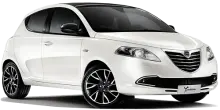

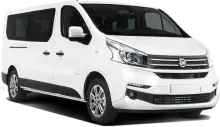


Choose the right car for your trip in Sofia, Bulgaria and book in minutes. Compare trusted rental options, find great daily rates, and secure convenient airport pick-up for your travel dates.
Welcome to Sofia! Picking up a rental car at Sofia Airport is a convenient way to explore Bulgaria, but it’s good to know what to expect. This guide covers everything from finding the rental desks and understanding the paperwork, to typical costs and what the roads are like.
The rental car desks are generally located within the main terminal building, usually near the arrivals area. You’ll likely see representatives from several companies offering services. Common companies operating at Sofia Airport include Avis, Budget, Enterprise, Hertz, and Sixt, among others. Follow the signs for ‘Car Rental’ to find the desks. Most companies also offer shuttle services to off-airport parking lots where the cars are kept, so be prepared for a short transfer.
The best car for you depends on your travel plans. Here are some popular options you’ll typically find available:
| Economy (e.g., Fiat 500) | 20 – 30 EUR/day |
| Compact (e.g., VW Golf) | 30 – 45 EUR/day |
| Intermediate (e.g., Skoda Octavia) | 40 – 55 EUR/day |
| SUV (e.g., Nissan Qashqai) | 60 – 90 EUR/day |
| Luxury (e.g., BMW 3 Series) | 90 – 150+ EUR/day |
Prices change by season and availability.
Generally, you’ll need a valid driver’s license, a passport, and a credit card in the driver’s name. The minimum age for renting a car is usually 21, but some companies may have a higher age requirement, and drivers under 25 may face additional fees. A deposit will be required, typically held on your credit card, to cover potential damage or extra charges. The amount varies, but expect several hundred euros. Most companies accept major credit cards; debit cards are often not accepted for the deposit.
Rental companies will offer various insurance options. Collision Damage Waiver (CDW) covers damage to the rental car itself. Theft Protection covers theft or attempted theft. Often, there’s an ‘excess’ – the amount you’re still responsible for paying in case of damage. You can reduce this excess by purchasing additional insurance, but it adds to the cost. Carefully review what your existing travel insurance or credit card benefits already cover before accepting extra insurance at the rental desk. Don’t hesitate to ask the agent to clearly explain the terms of each insurance option.
Bulgaria has a network of roads, but conditions can vary. Major roads are generally well-maintained, but smaller roads may be rougher. A vignette is required to drive on most highways and expressways; you can purchase these at border crossings, gas stations, or online. Parking in Sofia can be challenging, especially in the city center. Look for designated parking zones and pay attention to parking regulations. Speed limits are generally 50 km/h in urban areas, 90 km/h on open roads, and 120 km/h on highways.
Generally, no, if you have a driver’s license from the EU or the US. Check the specific requirements based on your country of origin.
Report any damage immediately to the rental company and follow their instructions. Your insurance (CDW) will cover some or all of the costs, depending on your policy and the excess amount.
Yes, but you’ll need to declare the additional driver at the rental desk and pay an extra fee.
Major credit cards are almost always accepted. Debit cards are often not accepted for the deposit.
Yes, you can usually rent a GPS device or use a smartphone navigation app.
In Bulgaria, they drive on the right side of the road.
Automatic cars are available, but they are less common and usually more expensive than manual transmission cars.
A vignette is a sticker you must display on your windshield to legally drive on Bulgarian highways and expressways.
Rental cars should have a spare tire and tools. If you’re not comfortable changing it yourself, contact the rental company for assistance.
Usually, you can, but you must inform the rental company in advance and pay an additional fee. Restrictions may apply.
You will be charged an extra day’s rental fee, and potentially additional charges.
Roads are generally safe, but visibility can be reduced, especially on rural roads. Drive cautiously and be aware of pedestrians and animals.