Small cars
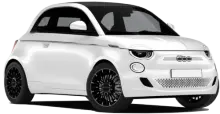
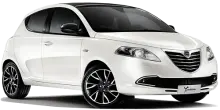
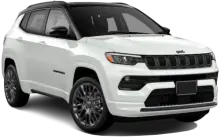
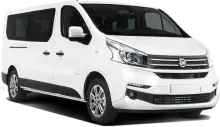
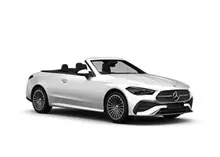
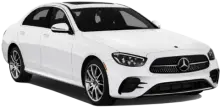
Choose the right car for your trip in Addis Ababa, Ethiopia and book in minutes. Compare trusted rental options, find great daily rates, and secure convenient airport pick-up for your travel dates.
Welcome to Addis Ababa! Renting a car is a great way to explore Ethiopia, but knowing the pickup process, paperwork, costs, and local traffic rules is essential. In this guide, you'll find all the important information you need upon arrival at Addis Ababa Bole International Airport (ADD).
Car rental company offices are usually located within the airport area, near the baggage claim hall, or in the parking garages. Several international and local rental companies operate at Addis Ababa Bole International Airport, such as Avis, Budget, Europcar, Hertz, and local providers. The exact pickup location depends on the rental company, so it’s advisable to inquire when confirming your reservation.
In Addis Ababa and the surrounding areas, you can choose from a variety of car types, from budget-friendly options to luxury cars. Here are some popular choices:
| Car Class | Daily Price (EUR, approximately) |
| Economy | 20 - 30 |
| Compact | 25 - 40 |
| Mid-size | 35 - 50 |
| SUV | 50 - 80 |
| Luxury | 80+ |
Prices may vary depending on seasonal changes and availability.
To rent a car, you generally need the following documents: a valid driver's license (an international driver's license is recommended), identification (passport), and a credit card to deposit the security deposit. Most rental companies require a minimum age of 21, but higher age restrictions may apply for certain car types. The security deposit amount varies depending on the vehicle type and will be deducted from your credit card. Accepted payment methods are usually credit cards, but it is advisable to agree with the rental company in advance.
When renting a car, it is important to choose the appropriate insurance coverage. CDW (Collision Damage Waiver) covers collision damage, and Theft Protection covers damage from theft or burglary. It is advisable to find out about your own insurance coverage and ask the rental company about the amount of the excess. If you would like additional protection, you can choose additional insurance packages.
Ethiopia's traffic rules may differ from what you are used to. Speed limits are generally lower, traffic can be heavy, and local drivers have different driving styles. Honking is common in cities, and you should also pay attention to pedestrians. There are few highways in the country, and road conditions on rural roads can be variable. Parking can be difficult in cities and is often paid. Gas stations are not available everywhere, so it is advisable to refuel in time.
Recommended, but not always mandatory. It is advisable to agree with the rental company in advance.
Most major credit cards are accepted, but it is advisable to check with the rental company.
The security deposit amount depends on the car type and will be deducted from your credit card.
CDW covers collision damage, but there is usually an excess.
Yes, most insurance policies have an excess that you pay in the event of a claim.
At gas stations, employees usually fill the fuel, and you receive the invoice after payment.
Parking can be difficult and is often paid. Be careful to follow traffic regulations.
Speed limits are generally lower than in Europe. Pay attention to the signs.
If you want to explore rural areas, a 4x4 may be recommended due to road conditions.
Read the contract carefully and ask about anything that is unclear.
Immediately notify the police and the rental company and fill out the accident report.