Small cars

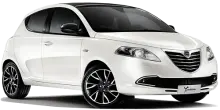
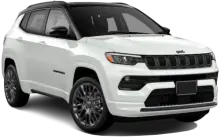
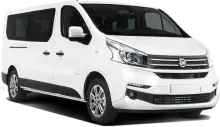


Choose the right car for your trip in Baltimore, United States and book in minutes. Compare trusted rental options, find great daily rates, and secure convenient airport pick-up for your travel dates.
Welcome to Baltimore! Car rental is a great way to explore Maryland and the surrounding area, but knowing about pickup, paperwork, costs, and local traffic rules can help make your trip smoother. In this guide, you’ll find all the important information you need for car rental at Baltimore/Wash International Thurgood Marshall Airport (BWI).
Most car rental offices are located on or near the airport grounds. They are usually close to the baggage claim area or accessible by separate shuttle buses. Car rental companies typically available at the airport include Avis, Budget, Hertz, Enterprise, National, and Alamo. It’s worth checking the exact locations in advance, as the airport layout may change.
A wide range is available, from economical small cars to luxury vehicles. Here are some popular choices:
| Car Class | Daily Price (EUR, approximately) |
| Economy | 30 - 50 |
| Compact | 40 - 60 |
| Mid-size | 50 - 80 |
| SUV | 70 - 120 |
| Luxury | 100 - 200+ |
Prices vary seasonally and depending on availability.
To rent a car, you generally need a valid driver's license, identification (passport or driver's license), and a credit card. Most rental companies require a minimum age of 21, but higher age limits may apply for certain car types (e.g., luxury cars). A deposit is usually required at the time of booking and pickup, the amount of which depends on the vehicle type and rental duration. Most locations accept credit cards, but it’s worth checking the exact payment options in advance.
Having adequate insurance coverage is important when renting a car. CDW (Collision Damage Waiver) covers collision damage, Theft Protection covers damage from theft or vandalism. Excess Insurance reduces the amount of the deductible. It’s worth asking the rental company what insurance options are available and which are most suitable for you. Some credit cards provide automatic insurance when renting a car, it’s worth checking this as well.
Traffic in the United States is generally heavy, especially in cities. Speed limits vary by state and road section, but are usually given in miles per hour (miles). Many highways are toll roads, so it’s worth having cash or an electronic payment system (e.g., E-ZPass). Parking in cities is often expensive and difficult, so it’s worth checking parking options in advance.
If your driver's license from your country is not in Latin characters, it is advisable to obtain an international driving permit as well.
Immediately stop the car, notify the police and the rental company, and complete the accident report.
The car must be returned at the location and time specified by the rental company. Check the return process with the rental company.
Credit cards are generally accepted, but some locations also accept cash.
The deposit amount depends on the vehicle type and rental duration.
Many highways have tolls. You can pay with cash or an electronic payment system (e.g., E-ZPass).
The speed limit varies by state and road section, usually given in miles per hour (miles).
Most offices are located on or near the airport grounds.
CDW covers collision damage.
It is worth considering extra insurance, especially if you are not familiar with local traffic rules.
Most car rental companies offer GPS for rent, or you can use your own smartphone for navigation.
Late returns may incur additional charges. It is worth notifying the rental company in advance if a delay is expected.