Small cars

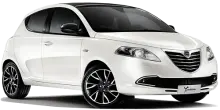
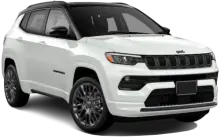
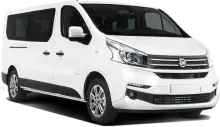
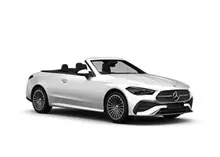
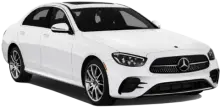
Choose the right car for your trip in Barranquilla, Colombia and book in minutes. Compare trusted rental options, find great daily rates, and secure convenient airport pick-up for your travel dates.
Welcome to Barranquilla! Renting a car at E Cortissoz Airport (BAQ) is a great way to explore the city and its surroundings. This guide will help you navigate the pickup process, costs, and local traffic rules to make your trip as smooth as possible.
Car rental company offices are usually located within the airport area, near the baggage claim hall, or in the parking garage. Most companies offer free transfers between the offices and the airport terminals if the office is not directly in the terminal. It’s worth checking when booking exactly where you need to go.
Numerous international and local car rental companies operate at E Cortissoz Airport. The most common include Avis, Budget, Hertz, Europcar and Localiza. The selection is wide, so you are sure to find a car that meets your needs.
Barranquilla and the surrounding area offer diverse landscapes, so choosing a car depends on your travel plans. Here are some popular choices:
| Car Class | Daily Price (EUR, approximately) |
| Economy | 25 - 40 |
| Compact | 30 - 50 |
| Mid-size | 40 - 60 |
| SUV | 60 - 100 |
| Luxury | 100+ |
Prices may vary depending on seasonal changes and availability.
Most car rental companies require the following documents: a valid driver's license, identification (passport or ID card), and a credit card. The minimum age is usually 21, but may be higher for certain cars. Check the restrictions when booking. The amount of the deposit depends on the chosen car and the insurance package, and is usually held on the credit card. Most companies accept credit cards, but cash payment may also be possible, it is worth inquiring in advance.
Mandatory liability insurance is usually provided by the car rental company. It is worth considering additional insurance options, such as CDW (Collision Damage Waiver) – which reduces your excess in the event of an accident – theft insurance and personal accident insurance. Ask the rental company exactly what risks the different insurances cover and choose the ones that best suit your needs.
Traffic in Colombia can be heavy, especially in cities. Speed limits are generally 60 km/h in cities and 80-100 km/h on highways. Most roads have toll booths, so it is worth keeping cash with you. Parking in city centers can be difficult and often paid. Always pay attention to local traffic rules and pedestrians.
Not necessarily, but it is worth checking the rules in your own country. In most cases, a valid domestic driver's license is sufficient.
Most car rental companies accept credit cards, but some may accept cash. It is worth inquiring in advance.
Stop immediately and notify the police. Take pictures of the scene and contact the car rental company.
The deposit is usually held on your credit card and refunded upon return of the car if there is no damage.
Some car rental companies may restrict travel with the car to certain areas. It is worth inquiring about the conditions.
CDW (Collision Damage Waiver) reduces your excess in the event of an accident.
Most roads have toll booths. You can pay with cash or credit card.
Parking in city centers can be difficult and often paid. Look for designated parking spaces.
It is worth renting a GPS or using your mobile phone for navigation.
The car can usually be returned at the airport or at the rental company's office. Check the exact location when booking.
Notify the car rental company immediately so they can try to resolve the situation.