Small cars

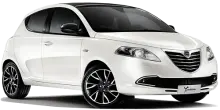
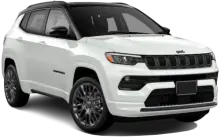
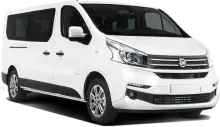
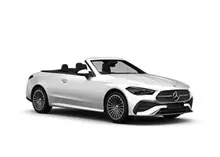

Choose the right car for your trip in Bonaire, Caribbean Netherlands and book in minutes. Compare trusted rental options, find great daily rates, and secure convenient airport pick-up for your travel dates.
Welcome to Bonaire! Renting a car is a great way to explore the island, but knowing about pickup, paperwork, costs, and local traffic rules can help make your trip smoother. In this guide, you’ll find all the important information you need upon arrival at Flamingo International Airport (BON).
Most car rental offices are located inside the airport building or in its immediate vicinity. Pickup usually takes place after baggage claim, at offices near the exits. Some companies offer free transfers from the airport to their office if it is not within the terminal.
Numerous international and local car rental companies are available at Flamingo International Airport. Common players include Avis, Budget, Hertz, Europcar, and Alamo, but smaller, local providers are also available. It’s worth comparing prices and conditions to find the best deal.
Bonaire has diverse terrain, so the choice of car depends on your travel plans. Here are some popular categories:
| Category | Daily price (EUR, estimate) |
| Economy | 30 – 50 |
| Compact | 40 – 60 |
| Mid-size | 50 – 80 |
| SUV | 80 – 150 |
| Premium/Luxury | 150+ |
Prices may vary depending on seasonal changes and availability.
Most car rental companies require: a valid driver's license, identification (passport or ID card), a credit card for the security deposit. The minimum age is usually 21 or 23, but it may be higher for certain companies, and younger drivers may have to pay an extra fee. Accepted payment methods generally include credit cards (Visa, Mastercard), and rarely cash.
It’s important to clarify the insurance terms. CDW (Collision Damage Waiver) covers collision damage, Theft Protection covers theft. The Excess (deductible) is the amount you have to pay in the event of damage. It’s worth asking if there is an option to reduce or waive the deductible, but this usually comes at an extra cost. Consider whether you need additional insurance, such as personal accident insurance.
Traffic in Bonaire is generally calm. Speed limits are usually 60-80 km/h on main roads, and lower within settlements. There are no toll roads on the island. Parking is mostly free, but you may have to pay near popular beaches and in city centers. Always pay attention to pedestrians and cyclists, and follow local traffic rules.
In most cases, a Hungarian driver's license is sufficient, but it is advisable to check the rental company's terms and conditions.
The deposit amount depends on the vehicle category and the insurance package, usually ranging from 500–1500 EUR.
Gas stations are generally self-service, you need to pay first, then refuel.
Yes, but an extra fee usually has to be paid for the additional driver.
Stop immediately, notify the police and the rental company, and fill out the accident report.
Most rental companies allow it, but it is advisable to inquire about the conditions in advance.
Credit cards (Visa, Mastercard) are the most common, but US dollars are also accepted in many places.
Notify the rental company as soon as possible, as your reservation may be canceled if you are late.
The car is usually returned at the airport office, according to the instructions of the rental company.
Traffic is generally calm, but pay attention to pedestrians and cyclists.
Not necessarily, but if you want to go to the more difficult-to-reach areas of the island, an SUV is recommended.