Small cars

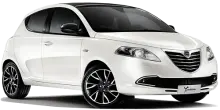
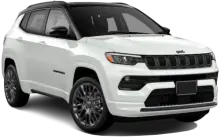
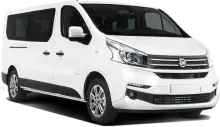

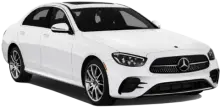
Choose the right car for your trip in Brisbane, Australia and book in minutes. Compare trusted rental options, find great daily rates, and secure convenient airport pick-up for your travel dates.
Welcome to Brisbane! Renting a car is a great way to explore the city and its surroundings, but knowing about pickup, paperwork, costs, and local traffic rules can help make your trip smoother. In this guide, you’ll find all the important information you need for car rental at Brisbane Airport (BNE).
Several international and local car rental companies operate at Brisbane Airport. Pickup points are usually located on the airport grounds, close to the terminals, often in a central car rental center. The exact location may vary, so it’s worth checking the company’s website or the airport information boards after booking. Some frequently occurring car rental companies include: Avis, Budget, Europcar, Hertz, and Thrifty.
A wide range of options is available for car rental at Brisbane Airport. Here are some popular categories:
| Category | Daily Price (EUR, approximately) |
| Economy | 25 - 40 |
| Compact | 30 - 50 |
| Mid-size | 40 - 60 |
| SUV | 60 - 100 |
| Premium/Luxury | 100+ |
Prices may vary seasonally and depending on availability.
Generally, you will need the following documents to rent a car: a valid driver's license (an international driver's license may also be required, depending on the country of issue of the license), identification (passport or ID card), and a credit card to deposit the security deposit. The driver must generally be at least 21 years old, but the age limit may vary depending on the rental company and the car category. Most rental companies accept credit cards, but some may accept cash for the security deposit.
When renting a car, it is important to consider insurance options. Most rental companies offer basic insurance, but it is worth considering additional insurance. CDW (Collision Damage Waiver) covers damage to the car, while Theft Protection covers damage caused by theft or burglary. Excess Reduction (or Super CDW) reduces the amount of the deductible in the event of an accident. Ask the rental company about the insurance terms and the amount of the deductible.
In Australia, you must drive on the left side of the road. Speed limits are generally given in kilometers. The speed limit in cities is usually 50 km/h, outside built-up areas 80-100 km/h, and on highways 110 km/h. Many roads have a toll system, so it is worth finding out about payment methods. Parking in cities is often paid, so pay attention to signs and parking meters.
This depends on the country of issue of your license. It is worth checking the rental company’s website or with the Australian authorities.
Most rental companies accept major credit cards (Visa, Mastercard, American Express).
The deposit amount depends on the car category and the rental company, but it is usually several hundred euros.
Stop immediately, notify the police and the rental company, and fill out the accident report.
Most roads have an electronic toll system. It is worth finding out about payment methods from the rental company.
Paid parking is available in the city center, but free parking options are also available in the suburbs.
Speed limits are generally given in kilometers and vary depending on the location.
Yes, but this usually incurs a surcharge. It is worth agreeing this with the rental company in advance.
Notify the rental company as soon as possible. Late arrival may incur a surcharge.
Most rental companies offer GPS for rent, but you can also use your mobile phone for navigation.
CDW and Theft Protection are basic insurance options, but Excess Reduction may also be worth considering.