Small cars
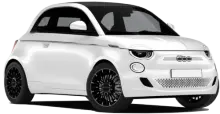
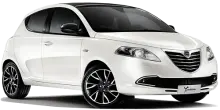
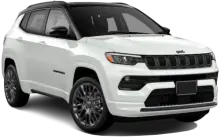
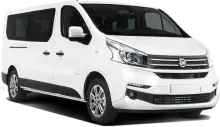

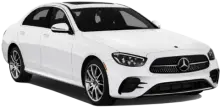
Choose the right car for your trip in Buenos Aires, Argentina and book in minutes. Compare trusted rental options, find great daily rates, and secure convenient airport pick-up for your travel dates.
Welcome to Buenos Aires! Renting a car is a great way to explore the city and its surroundings, but knowing the pickup process, paperwork, costs, and local traffic rules can help make your trip smoother. This guide will help you navigate AEP airport and provide information about the rental process and the specifics of driving in Argentina.
Several international and local car rental companies operate at Jorge Newbery Airport. Rental counters are usually located within the airport building, near the baggage claim area. The exact location may vary, so it’s worth checking upon arrival. Some frequently occurring rental companies:
A wide range is available, from small cars to luxury vehicles. Here are some popular categories:
| Category | Daily Price (EUR, estimate) |
| Economy | 20 – 30 |
| Compact | 25 – 40 |
| Mid-size | 35 – 50 |
| SUV | 50 – 80 |
| Luxury | 80+ |
Prices vary seasonally and depending on availability.
The choice depends on the type of trip you are planning. If you are mainly going to drive in the city, an economy or compact car may be sufficient. However, if you are planning longer trips or have more luggage, an SUV or a more spacious car may be more comfortable.
To rent a car, you generally need a valid driver's license, identification (passport or ID card), and a credit card for the security deposit. The general age limit is 21, but it may be higher at certain rental companies, and younger drivers may have to pay an additional fee. The deposit amount depends on the vehicle category and is usually held on the credit card. Payment is usually made by credit card.
It is important to clarify the insurance terms. Most rental companies offer basic insurance, but it is worth considering additional insurance as well. CDW (Collision Damage Waiver) covers collision damage, Theft Protection covers damage from theft or burglary. Excess Insurance reduces the amount of the deductible. Ask the rental company what damages are not covered by the insurance and in what cases you have to pay a deductible.
Traffic in Argentina can be heavy, especially in Buenos Aires. Speed limits are generally 80–120 km/h on highways and 40–60 km/h in cities. Most highways are toll roads and can be paid for in cash or electronically. Parking in Buenos Aires can be difficult and is often paid. It is worth paying attention to traffic signs and local rules.
Not necessarily, but it is worth checking with the rental company before you travel.
Usually in euros or local currency, but when paying by credit card, the bank's exchange rate applies.
Immediately notify the police and the rental company, and fill out the accident report.
The deposit is held on your credit card and will be refunded when the vehicle is returned undamaged.
CDW and Theft Protection are basic, but Excess Insurance can reduce the deductible.
In cash or electronically, most highways are toll roads.
Yes, parking can be difficult and is often paid. It is worth familiarizing yourself with local rules.
Valid driver's license, identification and credit card.
Some rental companies may restrict the driving area, so it is worth checking.
A late fee may be charged, so it is worth returning the vehicle on time.
Most rental companies offer GPS for rent, or you can use your mobile phone for navigation.