Small cars

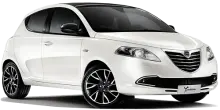
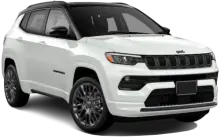
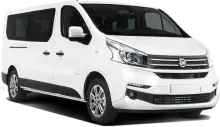


Choose the right car for your trip in Cap Haitien, Haiti and book in minutes. Compare trusted rental options, find great daily rates, and secure convenient airport pick-up for your travel dates.
Welcome to Cap Haitien! Renting a car is a great way to explore northern Haiti, but understanding pickup, costs, and local traffic rules is important. This guide will help you navigate the options available at Cap Haitien Airport (CAP) and prepare you for a smooth journey.
Most car rental offices are located on the airport grounds, usually near the baggage claim area or in a separate building. The exact location may vary, so it’s best to inquire upon arrival. Several international and local companies operate at the airport, including Avis, Budget, Europcar, and Hertz. It’s advisable to compare prices and conditions in advance.
The choice depends on your planned trip. The following types may be good for exploring Cap Haitien and its surroundings:
| Car Class | Daily Price (EUR, estimate) |
| Economy | 25 - 40 |
| Compact | 30 - 50 |
| Mid-size | 40 - 60 |
| SUV | 60 - 100+ |
| Luxury | 100+ |
Prices may vary depending on seasonal changes and availability.
Most car rental companies require you to be at least 21 years old to drive, but higher age limits may apply to certain car classes. You will need a valid driver's license, identification (passport), and a credit card to deposit the security deposit. The deposit amount varies depending on the chosen car and insurance package. You can pay in the local currency (gourde) or euros, but a credit card is generally the most convenient option.
It is important to understand the insurance options. Mandatory liability insurance is usually included in the price, but it is worth considering additional insurance. CDW (Collision Damage Waiver) covers damage to the car, while theft insurance provides protection in the event of theft or vandalism. The excess is the amount you would pay in the event of damage. It is worth asking the rental company what excess you need to pay and whether there is an option to reduce the excess.
Traffic in Haiti can be challenging. Traffic is heavy, and local driving styles may differ from European ones. Speed limits are generally low, but they are not always observed. The main roads are usually in good condition, but the condition of side roads can vary. Parking in cities can be difficult and often requires payment. Gas stations are not available everywhere, so it is advisable to refuel in time.
It is advisable to bring an international driver's license, but in most cases a valid domestic driver's license is sufficient.
Most rental companies accept credit cards, the local currency (gourde), and euros.
The security deposit amount depends on the car and insurance, but is usually several times the daily rental rate.
Yes, most insurance packages include an excess, which you would pay in the event of damage.
GPS can be useful, but maps are not always accurate. It is advisable to bring a local map with you.
Traffic can be heavy and chaotic, so increased attention is required.
There is no general toll system in Haiti, but you have to pay on certain highways.
Gas stations are not available everywhere, so it is advisable to refuel in time.
Parking in cities can be difficult and often requires payment.
Yes, but a surcharge usually applies for one-way rentals.
Immediately notify the police and the rental company. Take pictures of the scene.
You can return the car at the airport or at the rental company's office at the specified time.