Small cars

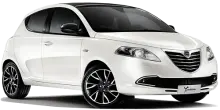
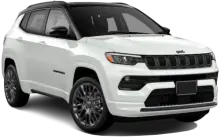
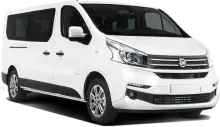


Choose the right car for your trip in Cape Town, South Africa and book in minutes. Compare trusted rental options, find great daily rates, and secure convenient airport pick-up for your travel dates.
Welcome to Cape Town International Airport! Renting a car is a great way to explore South Africa, but knowing the pickup process, paperwork, costs, and local traffic rules can help make your trip smoother. In this guide, you’ll find all the important information you need to rent a car at the airport.
Car rental company offices are usually located inside the airport terminals or in separate buildings near the terminals. Most rental companies provide free transfers between their office and the terminals, but it’s worth checking in advance. The airport is well-equipped, and signs will help you find the right place.
Numerous international and local car rental companies operate at Cape Town International Airport. The most common include Avis, Budget, Europcar, Hertz, and Sixt. The selection is wide, so you are sure to find a car that meets your needs.
The choice depends on many factors, such as your travel style, the number of travelers, and your planned route. Here are some popular choices:
| Car Class | Daily Price (EUR, approx.) |
| Economy | 20-30 |
| Compact | 25-40 |
| Mid-size | 35-50 |
| SUV | 50-80 |
| Luxury | 80+ |
Prices may vary depending on seasonal changes and availability.
Most car rental companies require you to be at least 21 years old to drive, but certain car classes may have a higher age limit. You will need a valid driver's license, identification (passport), and a credit card. The deposit amount depends on the car and the rental company, but it can generally be equal to the rental fee. The credit card limit must be sufficient to cover the deposit and the rental fee.
Rental companies generally offer various insurance packages. CDW (Collision Damage Waiver) covers collision damage, and Theft Protection covers damage from theft or vandalism. Excess Reduction reduces the amount of the deductible. It is worth carefully reviewing the insurance terms and asking the rental company staff if anything is unclear.
In South Africa, you must drive on the left side of the road. Speed limits are generally well marked, but it is worth paying attention to local rules. In cities, you will often find paid parking, and a fee must be paid to pass on certain road sections (toll). For safety reasons, it is advisable to avoid driving at night in unfamiliar areas.
If your driver's license from your country is not written in Latin characters, you generally need an international driving permit.
Most rental companies accept credit cards. Some may accept debit cards, but this may be limited.
The deposit serves to cover the rental fee and any possible damage. The deposit will be refunded if the car is returned undamaged.
In South Africa, you must drive on the left side of the road. Always observe the speed limits and pay attention to pedestrians.
Stop immediately and notify the police. Take pictures of the scene and contact the rental company.
Most rental companies offer unlimited mileage, but it is worth checking the rental terms.
The car must be returned at the location and time specified by the rental company. Make sure you have removed all your personal belongings from the car.
CDW (Collision Damage Waiver) covers collision damage, but generally does not cover tires, the chassis, or glass damage.
Valid driver's license, identification (passport), and credit card.
You can pay at toll booths with cash or electronically. Some road sections have automatic toll systems.
The excess is the amount you will pay for damages before the insurance covers the remaining costs.