Small cars

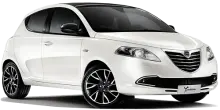
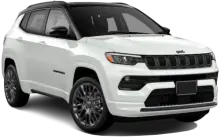
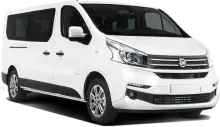

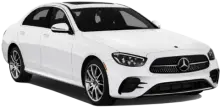
Choose the right car for your trip in Coolangatta (Gold Coast), Australia and book in minutes. Compare trusted rental options, find great daily rates, and secure convenient airport pick-up for your travel dates.
Welcome to the Gold Coast! Renting a car is a great way to explore this beautiful region, but knowing about pickup, paperwork, costs, and local traffic rules can help make your trip smoother. In this guide, you’ll find all the important information you need upon arrival at Gold Coast Airport (OOL).
Several car rental companies operate at Gold Coast Airport. Pickup points and rental offices are usually located within or near the airport terminals, often at locations accessible via a short transfer. Most major international and Australian car rental companies are present, such as Avis, Budget, Europcar, Hertz, and Thrifty. It’s advisable to check the exact location on your booking confirmation.
The Gold Coast and surrounding areas offer a variety of options, so choosing a car depends on your travel plans. Here are some popular choices:
| Car Class | Daily Price (EUR, estimate) |
| Economy | 25 - 40 |
| Compact | 30 - 50 |
| Intermediate | 40 - 60 |
| SUV (Small) | 60 - 80 |
| SUV (Large) | 80 - 120 |
| Luxury | 120+ |
Prices vary seasonally and depending on availability.
Economy and compact cars are ideal for city driving, while an SUV may be more comfortable if you’re planning longer trips or exploring the hinterland. Luxury cars, of course, prioritize comfort and style.
Most car rental companies require you to be at least 21 years old to drive, but certain car classes (e.g., luxury cars) may have a higher age limit. Required documents include a driver’s license, identification (passport or ID card), and a credit card. The security deposit amount is determined by the rental company and is usually held on your credit card. It’s important that your credit card has sufficient funds.
When renting a car, you can choose from several insurance options. CDW (Collision Damage Waiver) covers collision damage, while Theft Protection covers damage from theft or vandalism. Excess (deductible) is the amount you have to pay before the insurance becomes valid. It’s worth asking the rental company what insurance packages they offer and which one suits your needs.
In Australia, they drive on the left side of the road. Speed limits are generally indicated in kilometers per hour. The speed limit in cities is 50 km/h, outside built-up areas 80-100 km/h, and on highways 110 km/h. Most highways require toll payment, which can be paid online or at local gas stations. Parking in cities is often paid, so pay attention to the signs.
If your driver’s license is not issued in Latin characters, you will probably need an international driving permit.
Most car rental companies accept credit cards, but some may also accept cash as a deposit.
Stop immediately and notify the police. Take pictures of the scene and contact the rental company.
The deposit is held on your credit card and will be refunded at the end of the rental period if the car is returned undamaged.
CDW, Theft Protection, and Excess reduction are the most common insurance options.
Most rental companies offer unlimited mileage, but it’s worth checking the contract.
The car must be returned at the location and time specified by the rental company.
Check the contract for fees, including fuel, insurance, and any extra services.
Gas stations are widely available on the Gold Coast, both in cities and along major routes.
Traffic is generally moderate, but congestion can occur in the city center during peak hours.
A fee must be paid for using certain highways, which can be paid online or at gas stations.