Small cars
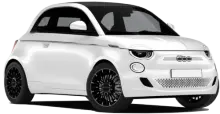
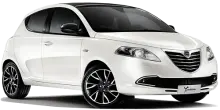
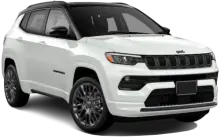
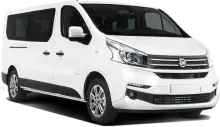
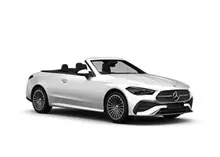
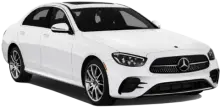
Choose the right car for your trip in Figari, France and book in minutes. Compare trusted rental options, find great daily rates, and secure convenient airport pick-up for your travel dates.
Welcome to Sud Corse Airport! Renting a car is a great way to explore Corsica, but knowing about pickup, paperwork, costs, and local traffic rules can help make your trip smoother. In this guide, you'll find all the important information you need for car rental at Figari Airport.
Car rental company offices are usually located inside or near the airport terminal. In most cases, the pickup points are accessible by a short transfer bus or on foot. It is advisable to find out the exact location in advance from your booking confirmation.
Numerous international and local car rental companies operate at Sud Corse Airport. Common players include Avis, Europcar, Hertz, and Sixt. It is worth comparing prices and conditions to find the best deal.
The choice depends on your personal needs and planned travel. Here are some popular categories:
| Category | Daily price (EUR, estimate) |
| Economy | 30 - 50 |
| Compact | 40 - 60 |
| Mid-size | 50 - 80 |
| SUV | 80 - 150 |
| Premium | 150+ |
Prices vary seasonally and depending on availability.
Most car rental companies require the following documents: a valid driver's license, identification (passport or ID card) and a credit card. The minimum age is usually 21 or 23, but this may vary depending on the company. Younger drivers often have to pay a surcharge. Payment must be made by credit card at the time of booking and pickup, with sufficient funds to cover the deposit and expected costs.
It is important to clarify the insurance terms. CDW (Collision Damage Waiver) covers collision damage, Theft Protection covers damage from theft or burglary. The Excess (deductible) is the amount you have to pay in the event of damage. It is worth asking the rental company if there is an option to reduce or waive the deductible, but this usually involves an additional fee.
In France, most highways are toll roads (tolls). Speed limits are generally as follows: 130 km/h on highways, 50 km/h in cities, 80 km/h on country roads. Parking in cities is often difficult and expensive. It is worth paying attention to parking regulations, as violations may result in fines.
If your driver's license was issued in a non-EU country, you probably need an international driving permit.
The deposit amount varies depending on the selected car and the insurance package. This amount is usually reserved on your credit card.
The car is usually returned at the airport or at the rental company's office. It is advisable to agree on the handover time in advance.
A surcharge is usually charged for delays.
The cancellation terms can be found in your booking confirmation. You can usually cancel online or by phone.
Most car rental companies accept credit cards. In some cases, it is also possible to pay with a debit card, but this is not available everywhere.
Most rental companies offer unlimited mileage, but it is worth checking the booking conditions.
Stop immediately, notify the police and the rental company. Take pictures of the scene and the damage.
Most highways are toll roads. Payment can be made in cash or by credit card.
Gas stations are well-established in France, especially in larger cities and along highways.
The driver's license, identification and the rental agreement.