Small cars
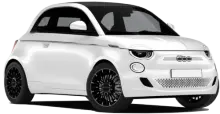
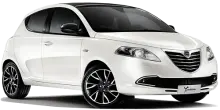

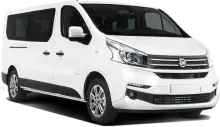
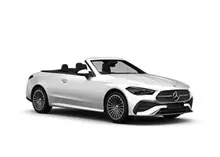
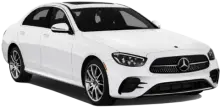
Choose the right car for your trip in Florence, Italy and book in minutes. Compare trusted rental options, find great daily rates, and secure convenient airport pick-up for your travel dates.
Welcome to Florence! Renting a car is a great way to explore the Tuscany region, but knowing the pickup process, paperwork, costs, and local traffic rules can help make your trip smoother. This guide will help you navigate the car rental process at Florence Airport (FLR).
Car rental company offices are usually located on the airport grounds, near the baggage claim area, or in a separate building belonging to the airport. Most rental companies provide a free transfer between their office and the terminal, but it’s worth checking in advance. Several major international car rental companies are usually present at the airport, such as Avis, Budget, Europcar, Hertz, and Sixt.
The choice depends on your personal needs and travel plans. Here are some popular categories:
| Category | Daily price (EUR, approximately) |
| Economy | 25 - 40 |
| Compact | 30 - 50 |
| Mid-size | 40 - 60 |
| SUV | 60 - 100+ |
| Luxury | 100+ |
Prices vary seasonally and depending on availability.
Most car rental companies require you to be at least 21 years old to drive, but certain categories (e.g., luxury cars, vans) may have a higher age limit. The required documents include a driver's license, identification (passport or ID card), and a credit card. When booking, the car is usually reserved in advance, and you need to pay the reservation amount and the deposit on-site. The deposit amount varies depending on the vehicle category, but is usually several hundred euros. Payment by credit card is the most common, but some rental companies also accept cash.
It is important to clarify the insurance terms. CDW (Collision Damage Waiver) covers collision damage, and Theft Protection covers damage from theft or burglary. The Excess (deductible) is the amount you have to pay before the insurance becomes valid. It is worth asking the rental company if there is an option to reduce or waive the deductible, but this usually comes at an extra cost.
In Italy, you must drive on the right side of the road. Most highways are toll roads, so it is worth having cash or a credit card with you. Speed limits are generally 130 km/h on highways, 90 km/h on country roads, and 50 km/h in towns. Parking can be difficult in cities and is often paid. Pay attention to traffic signs and local rules.
If you are arriving from a country outside the EU, it is advisable to bring an international driving permit, but in most cases a valid domestic driving license is sufficient.
Most major credit cards are accepted, but it is worth checking with the rental company in advance.
Stop immediately and notify the police. Take pictures of the scene and contact the rental company.
Most rental companies offer a full-empty fuel tank policy. This means you need to return the car with the same amount of fuel as you took it with.
Yes, but you usually have to pay an extra fee for the additional driver.
It is advisable to notify the rental company as soon as possible, as the reservation may be automatically canceled due to the delay.
Most rental companies offer unlimited mileage, but it is worth checking the terms of the contract.
The reservation can usually be canceled online or by phone. It is worth checking the cancellation terms, as a fee may be payable in some cases.
Driver's license, identification (passport or ID card), and credit card.
Credit card is the most common payment method, but some rental companies also accept cash.
CDW (Collision Damage Waiver) covers collision damage.
Approximately 1 hour 15 minutes via the highway.