Small cars
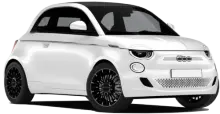
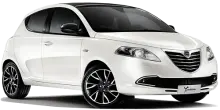
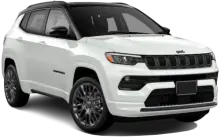
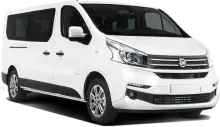
Choose the right car for your trip in Kassel, Germany and book in minutes. Compare trusted rental options, find great daily rates, and secure convenient airport pick-up for your travel dates.
Welcome to Kassel! Car rental is a great way to explore the area at your own pace. In this guide, you'll find all the important information you need about pickup, costs, and driving in Germany.
At Kassel-Calden Airport, car rental counters are usually located near the baggage claim area. Most companies have a representative at the airport, but actual pickup may take place at a nearby parking lot, from where you will be transferred free of charge. Airport staff will be happy to help you find your way.
Numerous international and local car rental companies operate at Kassel-Calden Airport. Common players include Sixt, Avis, Europcar, Hertz, and Budget. It is worth comparing prices and conditions to find the best deal.
The choice depends on your travel needs. Here are some popular categories:
| Category | Daily price (EUR, estimate) |
| Economy | 25 - 40 |
| Compact | 35 - 50 |
| Intermediate | 45 - 65 |
| SUV | 60 - 90 |
| Luxury | 100+ |
Prices vary seasonally and depending on availability.
Most car rental companies require you to be at least 21 years old to drive, but certain categories may have a higher age limit. You will need a valid driver's license, identification (passport or ID card), and a credit card. The security deposit will be blocked on your credit card and usually depends on the rental price. It is important that your credit card has sufficient funds to cover the deposit.
Mandatory liability insurance is usually included in the rental price, but it is worth considering additional insurance. CDW (Collision Damage Waiver) reduces your deductible in the event of an accident. Theft insurance covers car theft. The “excess” is the amount you would pay in the event of an accident or theft, even if you have CDW or theft insurance. Ask the rental company what insurance options are available and choose the one that best suits your needs.
In Germany, highways often have no speed limits, but many places do. Speed limits are indicated by signs. The speed limit in cities is generally 50 km/h, outside built-up areas 100 km/h, and on highways without a limit, or 130 km/h. Highways often have traffic jams, so it is worth paying attention to traffic information. Parking in cities is often paid, and you need to pay with a parking meter. There is no general toll on highways, but you have to pay for the use of certain tunnels.
If you are arriving from a country outside the EU, it is advisable to bring an international driving permit, but in many cases your valid domestic driving license is sufficient.
Most car rental companies accept credit cards. Cash or debit cards may not be accepted.
Stop immediately and notify the police. Take pictures of the scene and fill out the accident report.
Return the car at the location and time specified by the rental company. Make sure all your personal belongings have been removed from the car.
Valid driver's license, identification (passport or ID card) and credit card.
The deposit amount is determined by the rental price and will be blocked on your credit card.
Many German highways have no speed limits, but pay attention to the signs, as there are limits in many places.
Parking in cities is often paid, and you need to pay with a parking meter.
CDW (Collision Damage Waiver) reduces your deductible in the event of an accident.
Mandatory liability insurance is usually included in the rental price, but it is worth considering additional insurance.
It is worth comparing the prices and conditions of different car rental companies.
The excess is the amount you would pay in the event of an accident or theft, even if you have insurance.