Small cars
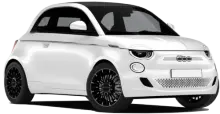
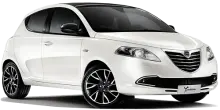
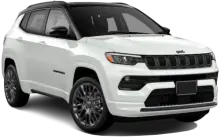
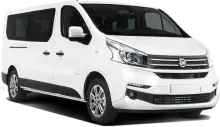
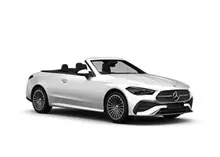
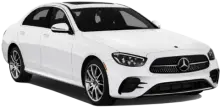
Choose the right car for your trip in Phuket, Thailand and book in minutes. Compare trusted rental options, find great daily rates, and secure convenient airport pick-up for your travel dates.
Welcome to Phuket! Renting a car is a great way to explore the island, but knowing about pickup, paperwork, costs, and local traffic rules can help make your trip smoother. In this guide, you’ll find all the important information you need upon arrival at Phuket International Airport (HKT).
Most car rental offices are located on or near the airport grounds. They are often found in the arrivals hall or near the parking areas, with free transfers to the airport. It’s worth checking the specific location after booking. Several international and local rental companies are usually present at Phuket International Airport.
Phuket is known for its diverse landscapes, so choosing a car depends on your travel plans. Here are some popular choices:
| Car Class | Daily Price (EUR, approx.) |
| Economy | 20-30 |
| Compact | 25-40 |
| Mid-size | 35-50 |
| SUV | 50-80 |
| Premium/Luxury | 80+ |
Prices may vary depending on seasonal changes and availability.
Most car rental companies require you to be at least 21 years old to drive, but higher age limits may apply to certain car classes. Required documents include a driver's license (an international driver's license is recommended), a passport, and a credit card for a security deposit. The deposit amount varies depending on the chosen car and insurance package. Blocking the amount on your credit card is common, but it is not necessarily debited. It is worth clarifying the payment methods as well, as cash is not accepted everywhere.
When renting, you usually have several insurance options to choose from. CDW (Collision Damage Waiver) covers collision damage, Theft Protection covers damage caused by theft or vandalism. Excess is the amount you have to pay in the event of damage. It is worth asking the rental company what insurance packages they offer and which one suits your needs. It is important to be aware of the insurance terms before signing the contract.
In Thailand, traffic is on the left. Speed limits are generally lower than in Europe. In cities, it is often 50 km/h, and on highways, it is 110-120 km/h. Local traffic can be dense, especially in cities. Parking can be difficult in city centers and is often chargeable. Tolls are often charged on highways, in cash or electronically. Always pay attention to local traffic rules and pedestrians.
Recommended, but not always mandatory. It is worth checking the requirements with the rental company.
Most major credit cards are accepted, but it is worth checking in advance.
The deposit amount depends on the car and insurance, usually between 300-1000 EUR.
CDW covers collision damage, Theft Protection covers theft. Excess is the deductible.
Cash and electronic payment are possible on the highways.
On or near the airport grounds, often with free transfer.
Parking is difficult and often chargeable in city centers.
50 km/h in cities, 110-120 km/h on highways.
An SUV is recommended if you want to explore mountainous areas.
Immediately notify the police and the rental company, and document the scene.
Yes, but an extra fee usually applies.
An extra fee will be charged for the delay.