Small cars
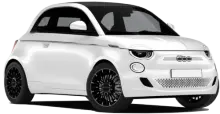
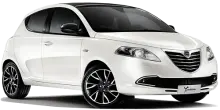
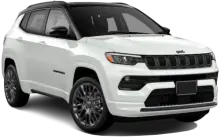
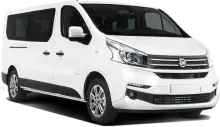
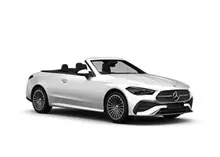
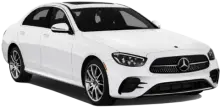
Choose the right car for your trip in Surabaya, Indonesia and book in minutes. Compare trusted rental options, find great daily rates, and secure convenient airport pick-up for your travel dates.
Welcome to Surabaya! Renting a car is a convenient way to explore the city and its surroundings, but knowing the pickup process, paperwork, costs, and local traffic rules can help make your trip smoother. This guide will help you navigate the car rental process at Juanda International Airport (SUB).
Car rental company offices are usually located within the airport area, near the baggage claim hall, or in the parking lots. Most rental companies offer free transfers between their office and the terminals, but it’s advisable to inquire in advance. Several international and local car rental companies operate at Juanda International Airport, such as Avis, Hertz, Europcar, and localized rental companies.
The choice depends on your personal needs and planned travel. Here are some popular categories:
| Category | Daily price (EUR, estimate) |
| Economy | 20 - 30 |
| Compact | 25 - 40 |
| Mid-size | 35 - 50 |
| SUV | 50 - 80 |
| Premium/Luxury | 80+ |
Prices vary seasonally and depending on availability.
Economy and compact cars are ideal for city driving, while an SUV may be more comfortable if you plan longer trips or want to drive on rougher terrain. Luxury cars, of course, prioritize comfort and style.
You will need a valid driver's license, identification (passport), and a credit card. The general age limit is 21, but it may be higher with certain rental companies, and there may be a surcharge for younger drivers. The security deposit amount varies depending on the vehicle category and will be reserved on your credit card. Most rental companies accept credit cards, but it is advisable to inquire in advance about the exact payment options.
Basic insurance is usually included with the rental, but it is worth considering additional insurance. CDW (Collision Damage Waiver) covers collision damage, Theft Protection covers damage from theft or burglary. Excess Insurance reduces the amount of the deductible. Ask the rental company what insurance is included in the base price and what additional insurance they recommend.
Traffic in Indonesia can be heavy, especially in cities. Speed limits are generally low, 50 km/h in built-up areas, 80-100 km/h on highways. Toll roads are common, so it is advisable to carry cash. Parking in cities can be difficult and often requires a fee. It is important to drive carefully and follow local traffic rules.
Not necessarily, but it is advisable to bring it with you if your driver's license is not issued in Latin characters.
Generally, only a credit card is accepted for the deposit.
Immediately notify the police and the rental company. Take pictures of the scene.
You can usually pay on toll roads with cash or electronically.
Some rental companies limit the number of kilometers driven per day, so it is advisable to inquire in advance.
The excess is the amount you pay in the event of damage, even if you have CDW insurance.
The car is usually returned to the rental company's office, but you can agree on another location in advance.
Child seats must be rented separately and usually incur an additional fee.
Yes, but you usually have to pay a surcharge for registering additional drivers.
A surcharge is usually charged for delays.
Most rental companies offer GPS rental, but you can also use your mobile phone for navigation.