Small cars


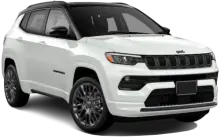



Choose the right car for your trip in Tampa, United States and book in minutes. Compare trusted rental options, find great daily rates, and secure convenient airport pick-up for your travel dates.
Welcome to Tampa! Renting a car is a great way to explore the area, but knowing about pickup, paperwork, costs, and local traffic rules can help make your trip smoother. In this guide, you'll find all the important information you need for car rental at Tampa International Airport.
Several car rental companies operate at Tampa International Airport, including major international corporations. Car rental offices are usually located in the terminals or in parking lots near the terminals. Most companies provide free transfers between the offices and the terminals, but it is worth checking in advance. Companies often available on-site include Alamo, Avis, Budget, Enterprise, Hertz, and National.
Tampa and the surrounding area offer a wide variety of driving experiences, so it is important to choose the right car. Here are some popular car types that are often rented at Tampa International Airport:
| Car Class | Daily Price (EUR, approximately) |
| Economy | 30 - 50 |
| Compact | 40 - 60 |
| Mid-size | 50 - 80 |
| SUV | 70 - 120 |
| Premium/Luxury | 100 - 200+ |
Prices may vary depending on seasonal changes and availability.
To rent a car, you generally need the following documents: a valid driver's license, identification (passport or driver's license), and a credit card to pay for the deposit and rental fee. In the USA, most car rental companies require a minimum age of 21, but certain car types (e.g., luxury cars, SUVs) may require an age of 25. The deposit amount varies depending on the type of vehicle and the rental period.
When renting a car, it is important to consider insurance options. Most car rental companies offer Collision Damage Waiver (CDW) insurance, which covers damage to the car in the event of a collision. There is also Theft Protection and Supplemental Liability Insurance. It is worth checking your own insurance coverage before taking out additional insurance on the spot. Ask the clerk about the excess and its amount.
Traffic is generally heavy in the United States, so pay attention to speed limits and traffic rules. In the state of Florida, highways are common, where the speed limit is generally 110 km/h. There are toll roads in many places, so it is worth finding out about payment options in advance (e.g., SunPass). Parking in cities is often paid, and parking rules must be strictly observed.
If your driver's license is not in English, it is advisable to bring an international driver's license with you.
Credit cards are generally accepted, but some locations also accept cash.
The deposit amount varies depending on the type of vehicle and the rental period.
There are many toll roads in the state of Florida. There are several ways to pay, such as SunPass or cash.
Stop immediately, notify the police and the rental company.
The car is usually returned to the rental company's office at the specified time.
Most rental agreements offer unlimited mileage, but it is worth checking the agreement.
A surcharge is usually charged for late returns.
Most car rental companies offer GPS for rent, or you can use your own smartphone for navigation.
CDW (Collision Damage Waiver) covers damage to the car in the event of a collision.
In most cases, the car must be returned with the same amount of fuel as it was taken with.
Most car rental companies offer child seats for rent.