Small cars

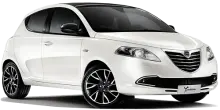
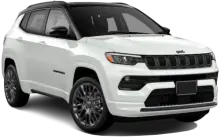
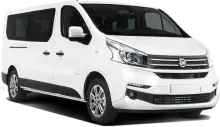
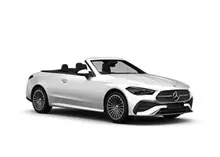
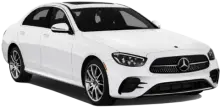
Choose the right car for your trip in Wiluna, Australia and book in minutes. Compare trusted rental options, find great daily rates, and secure convenient airport pick-up for your travel dates.
Welcome to Wiluna! Car rental is a great way to explore this remote but stunning outback. In this article, you’ll find all the important information you need regarding airport pickup, costs, and driving in Australia.
At Wiluna Airport, car rental company offices are usually located near the baggage claim area. For some companies, an airport shuttle will take you to the pickup location, which may be a few minutes’ drive. Most major car rental companies are present, including Hertz, Avis, Budget, and Europcar. It’s worth checking in advance which company offers the best deals for you.
The terrain around Wiluna can be varied, so your choice will depend on your planned travel. Here are some popular categories:
| Category | Daily price (EUR, approximately) |
| Economy | 30 - 50 |
| Compact | 40 - 60 |
| Intermediate | 50 - 80 |
| SUV (Small) | 70 - 120 |
| SUV (Medium) | 90 - 150 |
Prices may vary depending on seasonal changes and availability.
If you’re mainly going to be driving in the city, an economy or compact car may be sufficient. However, if you want to drive off-road, an SUV is recommended. Those looking for more comfort can also opt for a luxury car.
Most car rental companies require you to be at least 21 years old to rent a car, but some companies may have a higher age limit and charge a surcharge for younger drivers. You will need a valid driver's license, identification (passport or driver’s license), and a credit card to deposit the security deposit. The amount of the deposit varies depending on the chosen car and insurance package. The credit card must have sufficient credit available.
When renting, you usually have three types of insurance to choose from: liability insurance (mandatory), theft insurance, and collision damage waiver (CDW). The CDW reduces your excess in the event of an accident, but does not cover all types of damage. It’s worth asking the rental company what types of damage the CDW does not cover and whether there is an option to further reduce your excess (e.g., with a “super CDW” option). It is advisable to read the insurance terms carefully before signing the contract.
In Australia, you must drive on the left side of the road. Speed limits are generally given in kilometers per hour. The speed limit in cities is 50 km/h, outside built-up areas 80–100 km/h, and on highways 110 km/h. Most major cities have paid parking, so pay attention to the signs. There are generally no toll roads on Australian highways, but you may have to pay to cross some bridges (e.g., Sydney Harbour Bridge).
If your driver's license is not written in Latin characters, you will probably need an international driving permit.
Most car rental companies accept credit cards. Cash may be accepted in some places, but this is not common.
Stop immediately and notify the police. Take pictures of the scene and contact the car rental company.
The car is usually returned to the airport pickup location. The car rental company will inform you of the exact procedure.
Some car rental companies limit the number of kilometers driven. If you want to drive more kilometers, you usually have to pay a surcharge.
The deposit is an amount that the car rental company retains on your credit card to cover potential damage or charges.
Some insurance packages (e.g., super CDW) can reduce your excess, thereby also reducing the deposit amount.
Valid driver's license, identification (passport or driver’s license) and credit card.
Notify the car rental company immediately. A surcharge may be charged for the delay, or the reservation may be canceled.
You usually pick up the car with a full tank and return it with a full tank. If you do not do so, the rental company will charge you for refueling, plus a handling fee.
Yes, but you usually have to pay an extra fee for the additional driver.