Small cars

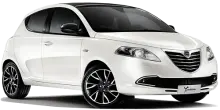
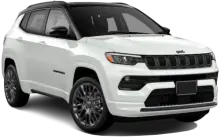
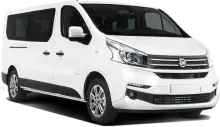
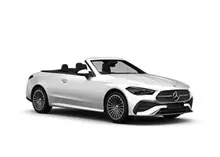
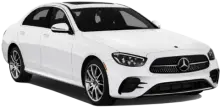
Choose the right car for your trip in Winnipeg, Canada and book in minutes. Compare trusted rental options, find great daily rates, and secure convenient airport pick-up for your travel dates.
Welcome to Winnipeg! Renting a car is a great way to explore the city and its surroundings, but knowing the pickup process, paperwork, costs, and local traffic rules can help make your trip smoother. This guide will help you navigate the car rental process at Winnipeg Airport.
Car rental company offices are usually located inside or near the airport terminals. They are often grouped in a central location, and free shuttle buses may operate between the terminals and the car parks. Most major car rental companies are present, such as Avis, Budget, Enterprise, Hertz, and National.
The choice depends on your needs. Here are some popular categories:
The following table provides information on the daily rates for different car classes (EUR). It is important to note that prices may vary seasonally and depending on availability.
| Car Class | Daily Rate (EUR, approximately) |
|---|---|
| Economy | 30 - 50 |
| Compact | 40 - 60 |
| Mid-size | 50 - 80 |
| SUV | 80 - 150 |
| Premium | 120+ |
Prices are indicative and may vary depending on the time of booking, vehicle availability, and the chosen insurance package.
In Canada, the general minimum age for renting a car is 21, but some companies may apply a higher age limit and charge a surcharge for younger drivers. Required documents include a driver's license, identification (passport or driver's license), and a credit card. Most companies require a credit card for the security deposit, the amount of which varies depending on the type of vehicle and the chosen insurance package. The deposit will be refunded upon return of the vehicle, provided there is no damage to the car.
It is important to understand the insurance options. Collision Damage Waiver (CDW) reduces your liability for damage to the vehicle. Theft Protection covers theft of the vehicle. Excess Insurance provides additional protection, reducing the amount of the deductible. It is advisable to find out about your own insurance coverage before purchasing additional insurance.
In Canada, speed limits are generally given in kilometers. The speed limit in cities is 50 km/h, on main roads 80–100 km/h, and on highways 110–130 km/h. Most roads are free, but some bridges and road sections have toll gates. Parking in cities is often paid, so pay attention to the signs. Wearing a seat belt is mandatory, and using a mobile phone while driving is prohibited (except with a hands-free device).
Not necessarily. Most country licenses are accepted if they are in English or French or you have an international driving permit.
Most major credit card companies are accepted, such as Visa, Mastercard, and American Express.
The deposit amount varies depending on the type of vehicle and the chosen insurance package. It generally ranges from 500–2000 EUR.
GPS is usually available for rent for an extra fee. Some companies offer free GPS with premium vehicles.
Stop immediately and notify the police. Collect the necessary information, such as the other party's details and the accident location.
Most rental companies offer unlimited mileage, but it is advisable to check the contract.
Returning the vehicle to a different location is usually possible, but may incur an extra charge.
Notify the rental company if you are delayed. Late arrival may incur a surcharge.
Child seats are usually available for rent for an extra fee. It is advisable to book in advance.
Most companies apply a "full-to-full" fuel policy, meaning you take the car with a full tank and return it with a full tank.
There are numerous paid parking spaces in downtown Winnipeg. Parking fees vary.