Small cars



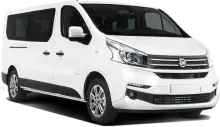


Choose the right car for your trip in Okinawa, Japan and book in minutes. Compare trusted rental options, find great daily rates, and secure convenient airport pick-up for your travel dates.
Welcome to Okinawa! Renting a car is a great way to explore the island, but knowing the pickup process, paperwork, costs, and local traffic rules can help make your trip smoother. In this article, you’ll find all the important information you need upon arrival at Naha Airport (OKA).
Car rental counters at Naha Airport are usually located in the arrivals hall or directly on airport grounds. Often, free shuttle buses take passengers to the rental companies’ remote parking lot where the cars are picked up. It’s advisable to inquire about the specific location of the rental company after making your reservation.
Numerous international and local car rental companies operate at Naha Airport. The most common include larger companies that offer a wide range of options to suit different needs.
Okinawa offers diverse landscapes, so choosing a car depends on your travel plans. Here are some popular choices:
| Car Class | Daily Price (EUR, approximately) |
| Economy | 25 - 40 |
| Compact | 35 - 50 |
| Mid-size | 50 - 70 |
| SUV | 80 - 120 |
| Luxury | 150+ |
Prices may vary seasonally and depending on availability.
Most car rental companies will require: a valid driver's license (an international license is recommended), identification (passport), and a credit card to pay for the security deposit. The minimum age is usually 21, but may be higher for certain cars. The credit card holder’s name must match the name on the reservation.
It’s important to understand the insurance options. CDW (Collision Damage Waiver) covers damage to the car, but usually does not cover tires, the undercarriage, or glass damage. Theft insurance provides protection in case the vehicle is stolen. The excess is the amount you have to pay in the event of damage. It’s worth asking the rental company what excess you need to pay and whether there is an option to reduce the excess.
In Japan, they drive on the left. Speed limits are generally lower than in Europe. Most highways are toll roads, and payment is made with cash or a special card. Parking in Okinawa is usually paid, and parking spaces are often smaller than you are used to. Traffic can be heavy in cities, so it’s advisable to allow time for your journey.
Recommended, but not always mandatory. It’s advisable to inquire with the rental company.
Generally credit card, rarely cash.
The deposit amount depends on the car and insurance, usually a multiple of the daily rental rate.
Highways are toll roads, payment is made with cash or a special card.
In Japan, you should drive on the left.
Stop immediately, notify the police and the rental company.
Parking is usually paid, and parking spaces are often smaller.
CDW, theft insurance and excess reduction are available.
The amount you have to pay in the event of damage.
Using a GPS or smartphone navigation app is recommended.
This depends on the rental company and the reservation, usually with an extra charge.
Child seats can usually be rented from the rental company, but it’s advisable to book in advance.