Small cars
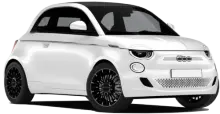
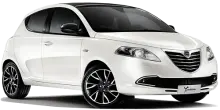
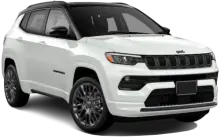
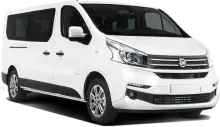


Choose the right car for your trip in San Sebastian de la Gomera, Spain and book in minutes. Compare trusted rental options, find great daily rates, and secure convenient airport pick-up for your travel dates.
Welcome to La Gomera Island! Renting a car at the airport is a great way to explore the island's stunning landscapes. This guide will help you navigate the pickup process, costs, and local traffic rules to make your vacation stress-free.
Several car rental companies are represented at La Gomera Airport. Most offices are located within or near the airport building, often in the baggage claim area or at a location accessible by a short transfer. You can usually find major international companies such as Avis, Europcar, Hertz, and Sixt on-site, but smaller, local providers may also be available.
Due to La Gomera's varied terrain, you can choose from a wide range of car types. Here are some popular choices:
| Car Class | Daily Price (EUR, approximately) |
| Economy | 25 - 40 |
| Compact | 30 - 50 |
| Mid-size | 40 - 60 |
| SUV (Small) | 50 - 80 |
| Premium | 80+ |
Prices may vary depending on seasonal changes and availability.
To rent a car, you generally need the following documents: a valid driver's license, identification (passport or ID card), and a credit card. Most rental companies require a minimum age of 21, but higher age limits may apply for certain car classes (25 years). A deposit is usually required at the time of booking and pickup, the amount of which depends on the car type. The deposit is refunded if the car is returned undamaged.
It is important to understand the insurance options. Most rental companies offer basic insurance (CDW – Collision Damage Waiver), which covers collision damage. However, it is advisable to consider additional insurance, such as theft protection and excess reduction, which reduce your liability in the event of an accident. Ask at the rental office for exact terms and fees.
In Spain, you must drive on the right side of the road. Speed limits are generally as follows: 50 km/h in town, 90 km/h on country roads, and 120 km/h on highways. Tolls are often charged on highways. Parking in cities can sometimes be difficult, so it is advisable to look for parking garages or paid parking spaces.
If you are from the EU, generally no. Those arriving from countries outside the EU should check whether their driver's license is accepted in Spain or whether they need an international driving permit.
Stop immediately and notify the police. Take pictures of the scene and contact the car rental company.
The deposit is an amount that is reserved on your credit card when you pick up the car. It is refunded if you return the car undamaged.
Generally, credit cards are accepted. Some rental companies may also accept cash, but this is less common.
CDW (Collision Damage Waiver) is insurance that covers collision damage. However, it is important to know that it does not cover all types of damage.
Yes, many highways in Spain are toll roads. You can pay with cash or a bank card.
You can find parking garages and paid parking spaces in cities. Parking can sometimes be difficult, especially in more touristy areas.
The speed limit is 50 km/h in town, 90 km/h on country roads, and 120 km/h on highways.
Most car rental companies provide the car with a full tank and require you to return it with a full tank. Otherwise, they will charge you a fee.
Read the contract carefully and ask about the terms at the rental office. Pay attention to insurance options and refueling rules.
Excess Reduction reduces your liability in the event of an accident. This is an additional insurance option.