Small cars
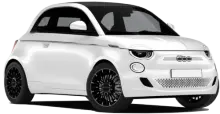
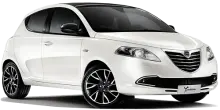
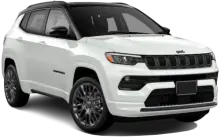
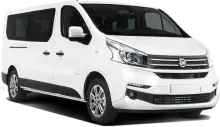
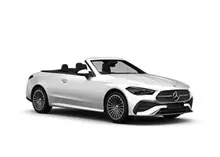
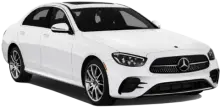
Choose the right car for your trip in Walvis Bay, Namibia and book in minutes. Compare trusted rental options, find great daily rates, and secure convenient airport pick-up for your travel dates.
Welcome to Walvis Bay! Car rental at Rooikop Airport (WVB) is a convenient way to explore Namibia. This guide will help you navigate the pickup process, costs, and local traffic rules to make your trip as smooth as possible.
Rental companies’ offices are usually located inside the airport building or directly nearby. In most cases, you can reach the pickup point by a short transfer bus. Several international and local rental companies are usually present at the airport, such as Avis, Budget, Europcar and Hertz. It is worth checking in advance which company offers the best conditions for the given period.
Namibia is known for its diverse landscapes, so the choice of car depends on your travel plans. Popular choices:
| Category | Daily price (EUR, estimate) |
| Economy | 25 - 40 |
| Compact | 30 - 50 |
| Mid-size | 40 - 60 |
| SUV (4x4) | 70 - 150+ |
| Premium/Luxury | 100 - 250+ |
Prices vary seasonally and depending on availability.
If you are mainly going to drive in the city, an economy or compact car may be sufficient. However, if you want to drive off-road, an SUV (four-wheel drive) is recommended. For longer journeys, more comfortable mid-size cars are ideal.
Most rental companies require you to be at least 21 years old to drive, but there may be a surcharge for younger drivers. The required documents include your driver's license, your ID card or passport, and a valid credit card to deposit the security deposit. The amount of the deposit varies depending on the selected car, but is usually several hundred euros. Rental companies generally accept credit cards, rarely cash.
The issue of insurance may arise when renting. CDW (Collision Damage Waiver) covers damage to the car, but usually does not cover all types of damage. Theft Protection covers theft. Excess Reduction (or Super CDW) reduces your deductible in the event of an accident. It is worth carefully researching the insurance conditions and asking the rental company which option is best for you.
In Namibia, you must drive on the left side of the road. Speed limits are generally 120 km/h on main roads and 60 km/h in towns. Parking in towns is usually free, but you can find paid parking near shopping centers and tourist attractions. Namibia does not have toll highways. Distances can be long, so it is worth planning your route in advance and ensuring sufficient fuel.
In most cases, a Hungarian driver's license is sufficient, but it is worth checking the rental company's terms and conditions.
Most rental companies accept major credit cards (Visa, Mastercard).
The security deposit serves to cover potential damage or fees. It will be returned at the end of the rental if there is no damage.
CDW covers collision damage, but you may have a deductible. Super CDW reduces this deductible.
Some rental companies may restrict where you can drive the car. It is worth checking in advance.
Immediately notify the police and the rental company. Take pictures of the scene.
The car is usually returned at the airport or at the rental company's office.
Most cars use gasoline or diesel fuel. Check with the rental company.
Traffic is usually calm, but there may be congestion in cities.
If you want to drive off-road, a 4x4 is recommended. It is not necessarily needed for asphalt.
Driver's license, ID, credit card.